

News Summary
Frances Burney, an English novelist, underwent a painful mastectomy in the early 19th century without anesthesia, highlighting the suffering endured by surgical patients. This account not only reflects her personal ordeal but also underscores the historical challenges of surgery prior to the discovery of anesthesia. Burney’s experience serves as a crucial reminder of the medical progress that has shaped modern surgical practices.
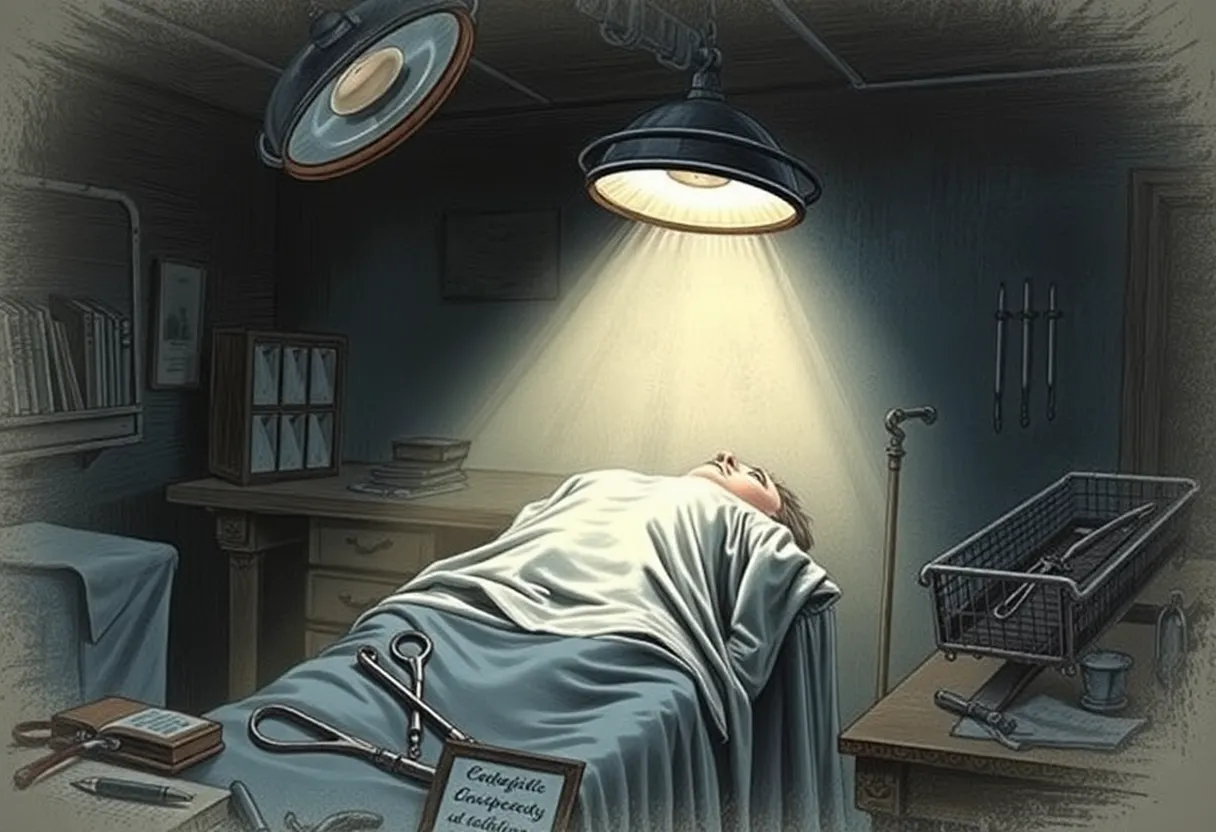
London – In 1811, English novelist Frances Burney faced a life-altering diagnosis of breast cancer at the age of 59. With her life hanging in the balance, French doctors recommended a mastectomy as the sole option for survival. However, the procedure posed significant challenges as surgical anesthesia had not been discovered, leaving Burney to undergo the excruciating operation without any pain relief.
On the day of her surgery, Burney was blindfolded and restrained by multiple assistants to prevent her from moving during the intense procedure. The operation commenced with Burney experiencing unbearable pain, leading her to lose consciousness twice due to the severity of the agony. Despite the harrowing experience, the mastectomy was deemed a success, allowing Burney to survive for another 29 years.
Burney’s personal account of this traumatic event provides vivid insight into the surgical practices of the early 19th century, particularly the debilitating pain associated with surgeries performed without anesthesia. Her described torment stands as a stark reminder of the struggles endured by patients prior to advancements in modern medicine.
The lack of anesthesia before 1846 led to a grim environment for surgical patients. Operations were conducted only when absolutely necessary, and many prospective patients feared the pain more than the illnesses they faced. Cultural attitudes toward surgery were heavily influenced by the absence of pain management, rendering the operating room a place of horror rather than a beacon of hope.
In the broader historical context, ancient civilizations did have some rudimentary methods for pain relief. Techniques included the use of opium, herbal concoctions, and hypnosis. The Persian physician Ibn Sina, known for his contributions to medicine, documented herbal anesthesia techniques termed the “soporific sponge.” Moreover, notable practices such as trepanation—drilling holes in the skull—were common in ancient Peru for treating head injuries.
By the early 19th century, surgeons often attempted to perform procedures rapidly to minimize patient suffering. Amputations were notably swift due to the need to complete the task before patients fully realized the extent of their pain. Some surgeons, like Robert Liston, achieved notoriety for their speed. However, this method sometimes resulted in tragic outcomes, as Liston’s quickness led to accidental injuries that caused infections and fatalities among his assistants.
The introduction of anesthesia in surgical procedures would not occur until October 16, 1846, when American doctors first used ether effectively as a pain relief method. This pivotal moment marked a significant turning point in surgical history, transforming both medical practice and public perception. The introduction of anesthesia reduced the suffering associated with surgery, allowing for more humane treatments and encouraging the expansion of surgical options available to patients.
Before the advent of anesthesia and the understanding of germ theory, those undergoing medical procedures faced considerable risks, both physically and psychologically. Burney’s experience remains emblematic of this era of medical history, illustrating the distress patients endured and the societal views surrounding surgery during a time when surgeon’s hands were often their only hope for survival, albeit at a frightening cost.
As medical innovations advanced throughout the 19th century, the landscape of surgery would change dramatically. Burney’s narrative serves as a crucial reminder of the journey from pain to relief, emphasizing the necessity for medical progress and the importance of patient well-being in surgical practices.
Deeper Dive: News & Info About This Topic
HERE Resources
Additional Resources
- Baptist Press: Scopes Trial – A Defining Moment in U.S. History
- Wikipedia: Medical History
- KTVU: Video Report
- Google Search: Medical Advancements
- Billy Penn: Young People’s Continental Congress Philly 2025
- Google Scholar: Anesthesia History
- Vox: Disney’s America – A U.S. History Theme Park that Failed
- Encyclopedia Britannica: Anesthesia
- Washington Post: Largest U.S. Health Care Fraud Bust
- Google News: History of Surgery