
How to Choose the Right Exterior Design Elements for Your Home Renovation
Designing the exterior of your home is a crucial component of any renovation. It directly influences curb appeal, energy efficiency, and overall value. Making informed choices requires understanding key elements and how they work together to create a cohesive and functional aesthetic. This guide provides a comprehensive framework to help you select the appropriate exterior design elements for your renovation project.
Understanding the Purpose of Exterior Design Elements
Exterior design elements serve multiple functions. They enhance visual appeal, improve durability, and maximize energy efficiency. Correct selection aligns aesthetics with practical considerations such as climate, budget, and personal style.
Assessing Your Home’s Architectural Style
Identify Your Home’s Architectural Style
Every home has a unique architectural style—be it Victorian, Colonial, Modern, Craftsman, or Cape Cod. Recognizing your home’s style provides a foundation for selecting harmonious exterior elements. For example, ornate trim suits Victorian homes, while clean lines complement modern designs.
Consistency for Curb Appeal
Maintaining consistency across design elements creates a unified appearance. Mixing styles can appear disjointed unless intentionally designed to be eclectic. Align new elements with existing features for seamless integration.
Evaluating Climate and Environment Factors
Climatic Considerations
Climate influences material choice and structural design. In humid environments, choose materials resistant to moisture and mold. In colder regions, prioritize insulation and windproof features. Sun exposure impacts color selection and finishes to prevent fading.
Environmental Context
Surrounding landscape, topography, and urban setting impact design choices. A hillside home may necessitate retaining walls and drainage features, while an urban residence might prioritize noise barriers and privacy screens.
Prioritizing Functionality in Design Elements
Entryway and Doors
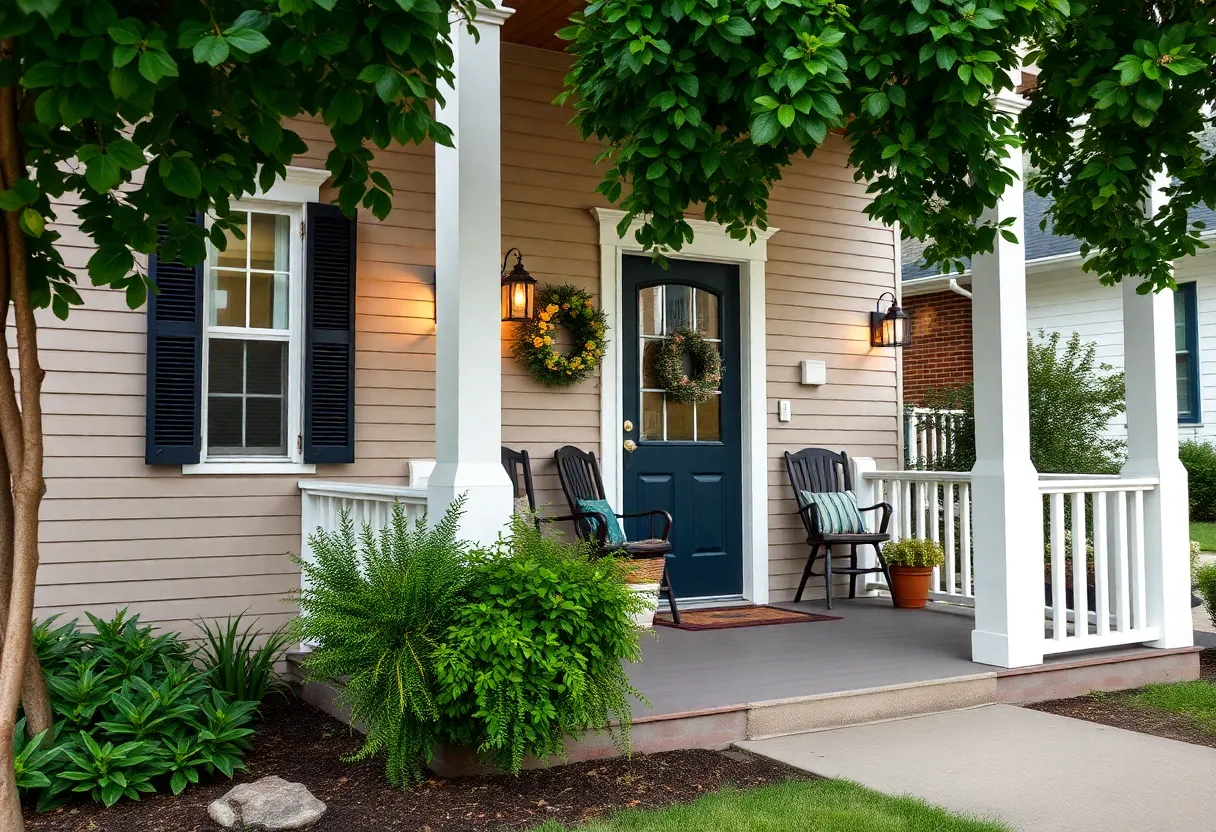
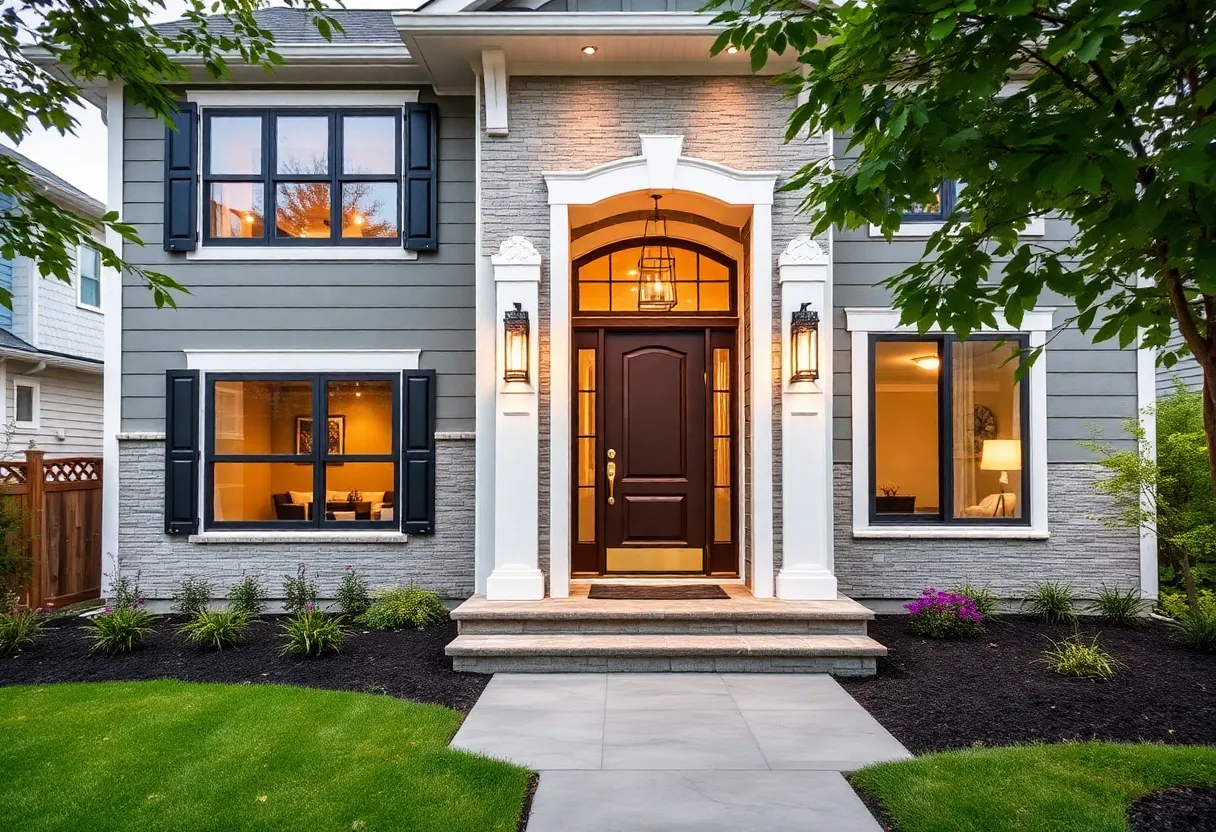
The front door is a focal point. Select a durable, weather-resistant material, and consider color and style that reflect your home’s character. Incorporate security features and seasonal decoration potential.
Windows and Shutters
Choose window styles that complement the architectural style and allow optimal natural light. Shutters can add visual interest and function as privacy or security devices.
Roofing Options
Roof material determines durability, maintenance, and aesthetic appeal. Options include asphalt shingles, metal panels, tiles, or slate. Match your choice with climate needs and stylistic goals.
Material Selection for Exterior Elements
Durability and Maintenance
Opt for materials that withstand local weather conditions and require minimal upkeep. For example, fiber cement siding resists pests and rot, while natural wood offers authenticity but demands maintenance.
Cost and Longevity
Evaluate your budget against material lifespan. High-end materials like stone or slate have longer lifespans but higher initial costs, whereas vinyl offers affordability with moderate durability.
Color Palette and Finish Considerations
Color Harmony and Contrast
Choose a color scheme that enhances architectural features. Use contrast to highlight elements such as trim, doors, and window frames. Light colors reflect heat, suitable for warmer climates, while dark tones absorb warmth in cooler areas.
Finish Types
Finish choices—matte, semi-gloss, or gloss—affect appearance and maintenance. For example, semi-gloss finishes are easier to clean and often used on trims and doors.
Incorporating Sustainability and Energy Efficiency
Eco-Friendly Materials
Prioritize sustainable options like recycled wood or low-VOC paints. These choices reduce environmental impact.
Energy-Efficient Design Elements
Consider features such as solar panels, insulated doors, and reflective roofing. Proper shading with overhangs or planting can reduce cooling costs.
Ensuring Cohesion and Balance
Design Rhythm and Scale
Balance large and small elements. Oversized features can overwhelm; miniature details may seem insignificant. Maintain proportionality to create visual harmony.
Texture and Pattern
Mixing textures (smooth siding with rough stone) adds depth. Use contrasting patterns to accentuate focal points without cluttering the appearance.
Planning for Practical Considerations
Maintenance Requirements
Assess each element’s upkeep. Choose low-maintenance options when possible to save time and costs over the lifespan of your home.
Structural Integrity and Safety
Ensure that architectural features meet safety codes. Structural reinforcement may be necessary for large or heavy elements, such as stone veneers or expansive awnings.
Consultation and Professional Input
Engage with architects or exterior designers when uncertain. Their expertise helps integrate aesthetic goals with structural and functional requirements.
Creating a Cohesive Design Strategy
Develop a comprehensive plan that considers all elements. Establish a priority list based on impact, budget, and desired aesthetic. Budget allocation should reflect the importance of each feature.
Final Considerations for a Successful Exterior Renovation
- Consistency: Ensure all elements work together.
- Functionality: Prioritize usability and durability.
- Style Alignment: Maintain architectural harmony.
- Environmental Suitability: Match materials and design to climate.
- Budget Management: Balance quality with affordability.
In conclusion, selecting the right exterior design elements is a strategic process. It requires understanding your home’s architecture, environment, and functional needs. Thoughtful choices in materials, colors, and features lead to a home that is both beautiful and enduring. Careful planning ensures your renovation enhances the home’s value and your satisfaction.