
What Are the Essential Tips for Creating an Eco-Friendly Home Renovation Plan?
In an era where sustainability and environmental responsibility are at the forefront, designing an eco-friendly home renovation plan is more than a trend—it’s a necessity. A well-structured plan not only minimizes ecological impact but also enhances the long-term efficiency and value of your property. Here, we explore core principles and practical tips to create a successful eco-conscious renovation strategy.
Understanding the Foundation of Eco-Friendly Renovations
Before diving into specific actions, it’s vital to grasp the core concepts. An eco-friendly renovation prioritizes materials, processes, and designs that reduce environmental harm, conserve resources, and improve energy efficiency. This approach considers the entire lifecycle—from sourcing to disposal—and emphasizes sustainability and health benefits.
Key Principles to Guide Your Planning
- Sustainable Material Selection: Favor renewable, recycled, or locally sourced materials.
- Energy Efficiency: Maximize natural light, improve insulation, and adopt energy-saving appliances.
- Water Conservation: Incorporate systems that reduce water usage.
- Indoor Environmental Quality: Use non-toxic finishes to promote healthier indoor air quality.
- Minimizing Waste: Implement strategies to reduce, reuse, and recycle during renovation.
Step-by-Step Guide to Planning an Eco-Friendly Home Renovation
1. Conduct a Comprehensive Assessment
Begin with an in-depth evaluation of your existing home. Identify areas needing improvement, potential environmental issues, and opportunities for sustainability. This step involves:
- Assessing the current energy, water, and waste systems.
- Evaluating insulation, windows, doors, and HVAC systems for efficiency.
- Identifying materials that are outdated or environmentally harmful.
This assessment establishes priorities aligned with both environmental goals and budget considerations.
2. Define Clear Sustainability Goals
Set specific, measurable objectives, such as:
- Reducing energy consumption by a certain percentage.
- Minimizing non-recyclable waste produced during renovation.
- Incorporating renewable energy sources like solar panels.
Having concrete goals guides material choices, design options, and contractor selection, ensuring a cohesive plan.
3. Select Eco-Friendly Materials
Material selection impacts both immediate and long-term sustainability. Prioritize:
Reclaimed and Recycled Materials
Opt for reclaimed wood, recycled metal, or refurbished fixtures to reduce demand for virgin resources. These options often come with character and durability.
Locally Sourced and Low-Impact Materials
Choosing local materials minimizes transportation emissions and supports regional economies. Select products with low embodied energy—meaning minimal processing energy required.
Non-Toxic, Low-VOC Finishes
Use paints, sealants, and adhesives free of volatile organic compounds (VOCs). These improve indoor air quality and reduce health risks for occupants.
4. Maximize Energy Efficiency
Integrate strategies that significantly lower energy consumption:
Insulation and Air Sealing
Enhance wall, roof, and floor insulation to maintain indoor temperature and reduce heating and cooling demands. Seal gaps around windows and doors to prevent air leaks.
High-Performance Windows and Doors
Install energy-efficient glazing and framing materials to minimize heat transfer.
Natural Ventilation and Daylighting
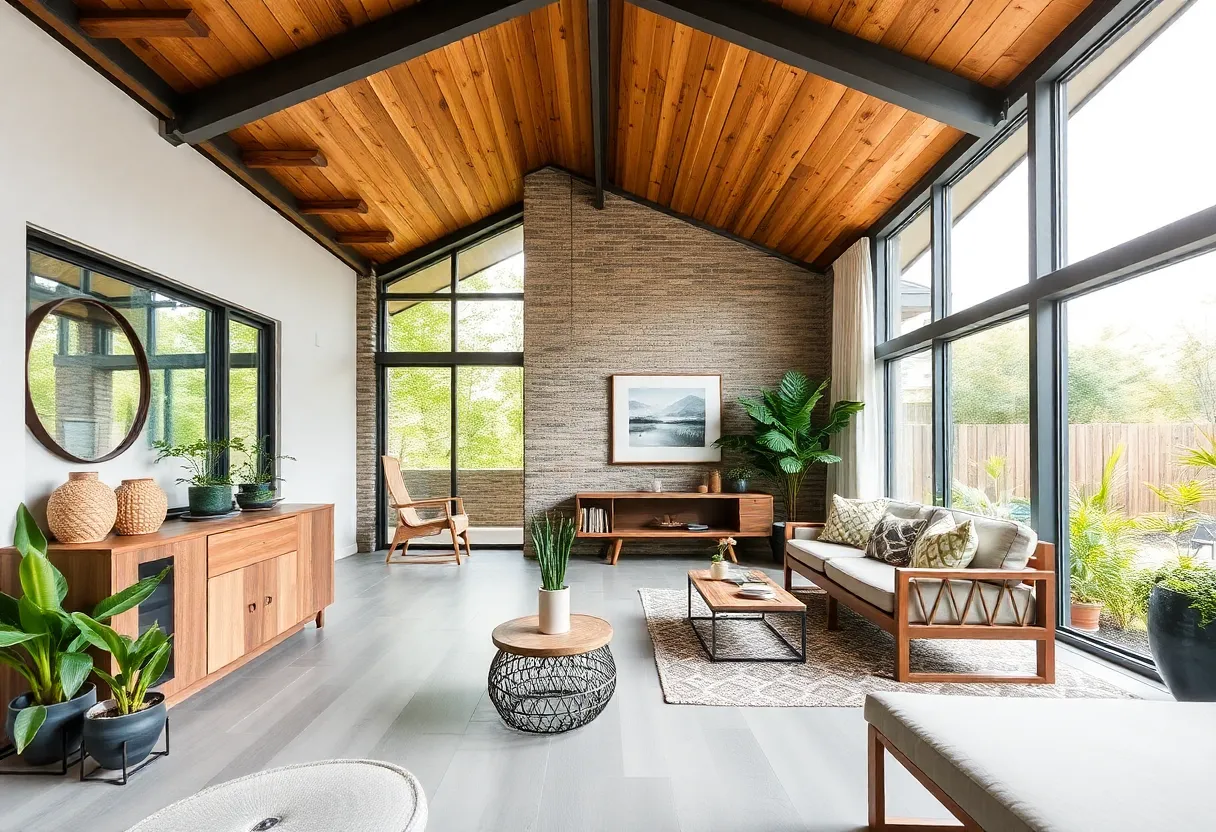
Design for adequate airflow and enable maximum daylight penetration, reducing reliance on artificial lighting.
Energy-Efficient Appliances and Lighting
Choose appliances rated for low energy consumption and install LED or other energy-saving lighting fixtures.
Renewable Energy Systems
Evaluate the feasibility of solar panels, solar water heaters, or small-scale wind turbines as part of your renovation plan.
5. Implement Water Conservation Measures
Water efficiency not only saves resources but also reduces utility bills:
- Low-Flow Fixtures: Install aerated faucets and low-flow toilets and showerheads.
- Rainwater Harvesting: Capture rainwater for irrigation and, where permitted, for indoor use.
- Greywater Recycling: Reuse wastewater from sinks and showers for irrigation purposes.
6. Prioritize Indoor Air Quality
Ensure that all materials and finishes used during renovation promote a healthy indoor environment:
- Use natural, non-toxic paints and sealants.
- Incorporate proper ventilation systems, like energy recovery ventilators (ERVs).
- Choose flooring options free from VOCs and formaldehyde.
Contractor and Supplier Selection
Select professionals and suppliers committed to sustainability. Ensure they provide documentation on eco-friendly practices and materials. Transparency in sourcing and process is essential for accountability.
Establishing a Green Supply Chain
- Verify suppliers’ sustainability certifications.
- Seek products with eco-labels or third-party verification.
- Communicate your sustainability expectations to contractors and vendors clearly.
Budgeting and Cost Management
Eco-friendly renovations often entail initial investment, but costs are offset by long-term savings in energy and water bills. Incorporate:
- Cost-benefit analysis for renewable energy systems.
- Potential grants or incentives for sustainable improvements.
- Contingency funds for sourcing specialized materials or expert consultations.
Steps for Waste Management During Renovation
Effective waste management reduces environmental impact:
- Pre-construction Planning: Arrange for recycling and disposal services aligned with waste types.
- Deconstruction Rather Than Demolition: Carefully dismantle structures to maximize material reuse.
- On-site Sorting: Segregate waste streams—wood, metal, drywall—for recycling.
- Reduce Unnecessary Packaging: Work with suppliers to minimize packaging waste.
Monitoring and Reviewing Progress
Implement tracking mechanisms to measure progress against ecological goals:
- Monitor energy and water consumption post-renovation.
- Conduct indoor air quality assessments.
- Maintain documentation of all materials and practices used.
Regular audits ensure continuous improvement and adherence to sustainability targets.
Conclusion: Integrating Sustainability into Home Renovation
Creating an eco-friendly home renovation plan demands careful planning, choice of materials, and robust implementation strategies. It requires a deliberate approach to reduce environmental impact, enhance indoor environments, and realize sustainable benefits.
By adhering to these critical tips, homeowners can transform their living spaces into models of sustainability. The result is a home that not only aligns with ecological values but also offers long-term economic and health advantages.
Remember: eco-friendly renovation is an ongoing process. Continuous evaluation and adaptation are key to maintaining sustainable practices and staying in harmony with evolving environmental standards.