
Indianapolis, January 2, 2026
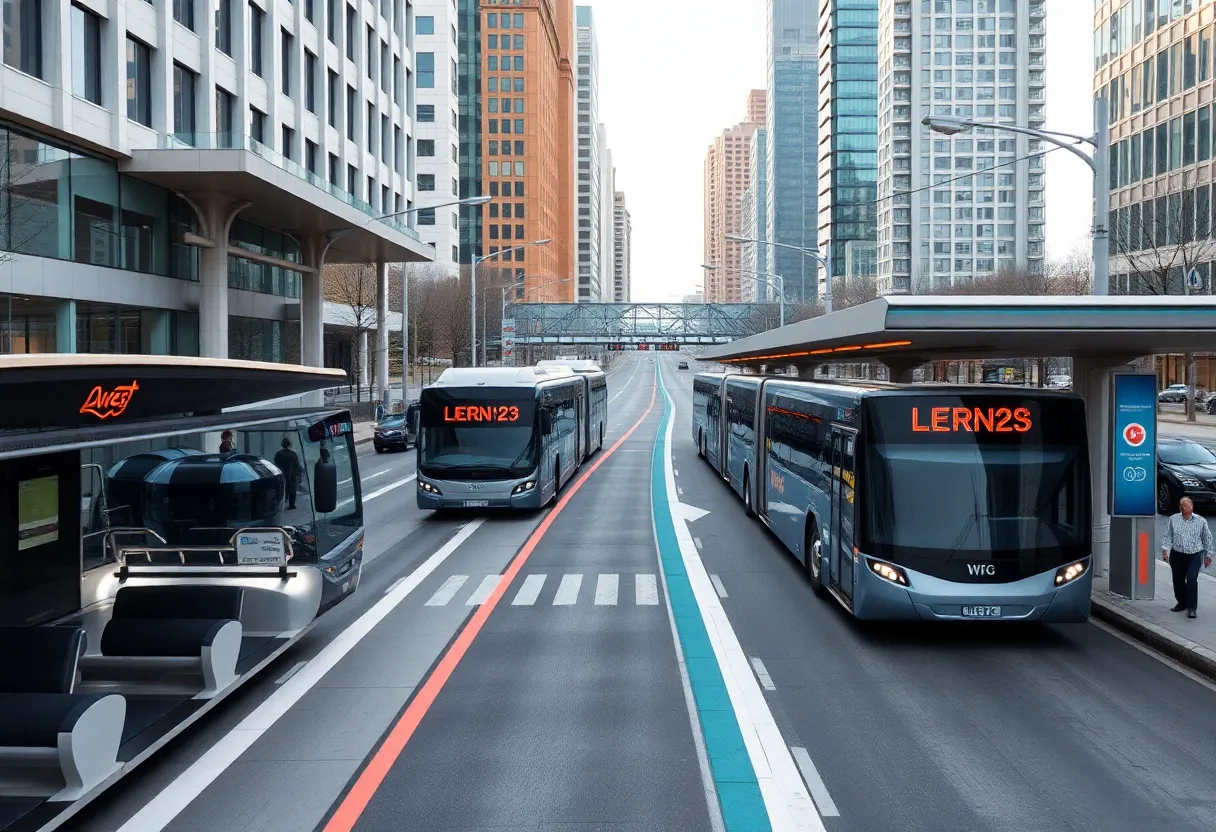
The IndyGo Blue Line project in Indianapolis aims to revolutionize public transportation with a 24-mile Bus Rapid Transit route connecting the airport to Cumberland. Key features include dedicated bus lanes, electric buses, and 30 enhanced stations. The project is expected to reduce travel times by 38% and will launch in 2028, supported by a $22 million federal grant for critical infrastructure improvements.
IndyGo’s Blue Line Project Aims to Enhance Travel Efficiency and Infrastructure
Indianapolis, Indiana – The IndyGo Blue Line is set to revolutionize public transportation in Indianapolis by providing a 24-mile Bus Rapid Transit (BRT) route connecting the Indianapolis International Airport to Cumberland. This project is designed to improve travel times, enhance infrastructure, and offer a more efficient commuting experience for residents and visitors alike.
Project Overview
The Blue Line will operate along Washington Street, replacing and upgrading the existing Route 8. Key features of the project include:
- Dedicated Transit Lanes: Construction of 18 miles of dedicated bus lanes to ensure uninterrupted service.
- Electric Buses: Deployment of 20 60-foot electric battery-powered buses, promoting sustainability and reducing emissions.
- Enhanced Stations: Development of 30 new rapid transit stations equipped with modern amenities such as ticket vending machines, real-time arrival information, and ADA-compliant facilities.
- Infrastructure Improvements: Upgrades to roadways, pedestrian facilities, and drainage systems to support the new transit system and improve overall safety.
Project Timeline
The Blue Line project is progressing as follows:
- Design Completion: Achieved 100% design completion in September 2024.
- Construction Start: Scheduled to commence in the first quarter of 2025.
- Service Launch: Anticipated to begin in 2028, offering rapid transit service between Cumberland and the Indianapolis International Airport.
Funding and Support
The project has received significant support, including a nearly $22 million grant from the U.S. Department of Transportation’s Rebuilding American Infrastructure with Sustainability and Equity (RAISE) program. These funds are allocated for critical infrastructure and safety improvements along the Historic East section of the Blue Line corridor, specifically targeting a 4.7-mile stretch of East Washington Street between Highland and Edmondson avenues. The grant will facilitate:
- Roadway lane reconfigurations
- Dedicated bus lanes
- Upgraded sidewalks and crossings
- Street and pedestrian markings
- ADA-compliant curb ramps
- Signage and wayfinding
- Transit signal priority and traffic signals
Community Impact
The Blue Line is expected to:
- Reduce transit travel times in the corridor by up to 38 percent, enhancing efficiency for daily commuters.
- Support redevelopment efforts along the Washington Street corridor, contributing to economic growth and revitalization.
- Provide improved service levels to areas with high concentrations of low-income and zero-car households, promoting equitable access to transportation.
Background
The Blue Line is part of IndyGo’s broader initiative to expand and modernize public transportation in Indianapolis. It follows the successful implementation of the Red and Purple Lines, which have significantly improved transit options in the city. The Blue Line is designed to address the needs of a diverse population, offering a reliable and sustainable alternative to personal vehicle use.
FAQ
What is the IndyGo Blue Line?
The IndyGo Blue Line is a 24-mile Bus Rapid Transit (BRT) route connecting the Indianapolis International Airport to Cumberland, designed to improve travel times and infrastructure in Indianapolis.
When is the Blue Line expected to begin service?
The Blue Line is anticipated to begin service in 2028, offering rapid transit between Cumberland and the Indianapolis International Airport.
What improvements are included in the Blue Line project?
The project includes dedicated transit lanes, electric buses, enhanced stations, and infrastructure improvements such as roadway upgrades and pedestrian facilities.
How is the Blue Line being funded?
The project has received significant support, including a nearly $22 million grant from the U.S. Department of Transportation’s RAISE program, allocated for critical infrastructure and safety improvements along the Blue Line corridor.
What impact is the Blue Line expected to have on the community?
The Blue Line is expected to reduce transit travel times by up to 38 percent, support redevelopment efforts, and provide improved service levels to areas with high concentrations of low-income and zero-car households.
Key Features of the IndyGo Blue Line Project
| Feature | Description |
|---|---|
| Route Length | 24 miles connecting the Indianapolis International Airport to Cumberland |
| Dedicated Transit Lanes | 18 miles of dedicated bus lanes for uninterrupted service |
| Electric Buses | Deployment of 20 60-foot electric battery-powered buses |
| Enhanced Stations | 30 new rapid transit stations with modern amenities |
| Infrastructure Improvements | Upgrades to roadways, pedestrian facilities, and drainage systems |
| Service Start | Anticipated to begin in 2028 |
| Funding | Nearly $22 million grant from the U.S. Department of Transportation’s RAISE program |
| Community Impact | Expected to reduce transit travel times by up to 38 percent and support redevelopment efforts |
Deeper Dive: News & Info About This Topic
HERE Resources
New Hotel Development and Urban Safety Challenges in Indianapolis
Indianapolis Airport Achieves Record Passenger Traffic
Indianapolis Faces Disruption as IndyGo’s Blue Line Construction Impacts Small Businesses
MnDOT Honors Fallen Contractors with Safety Stand Down
Indianapolis Disruptions Continue as IndyGo’s Blue Line Project Advances