
Indianapolis, Indiana, January 16, 2026
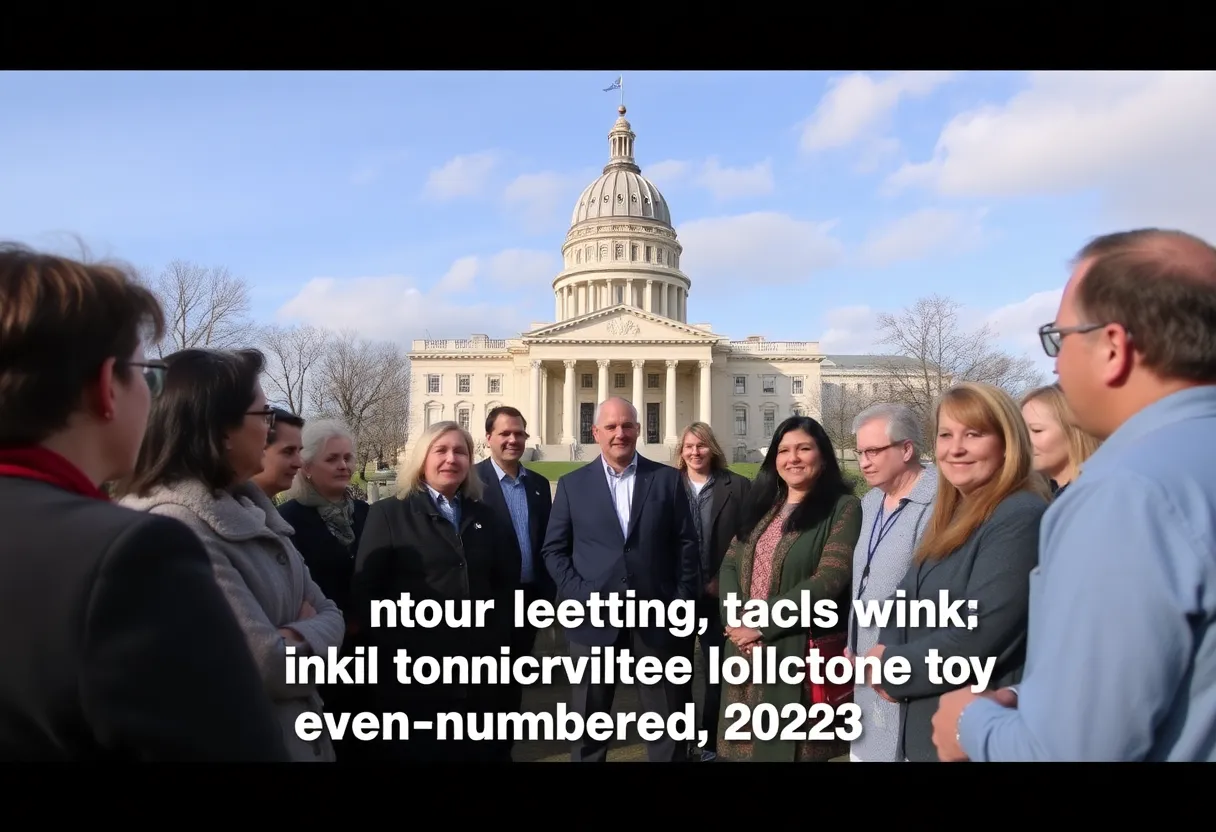
The Indiana House Elections Committee has endorsed a bill that would allow cities and towns to move their municipal elections to even-numbered years, starting in 2028. This change aims to boost voter turnout by aligning local elections with federal and state contests, while also reducing election costs. The bill is now set to be presented to the full House for further discussions and a vote.
Indianapolis, Indiana
Indiana House Committee Advances Bill Allowing Cities and Towns to Shift Elections to Even-Numbered Years
On January 14, 2026, the Indiana House Elections Committee endorsed a bill that would permit cities and towns to move their municipal elections to even-numbered years. This proposal aims to increase voter turnout and reduce election costs by aligning local elections with federal and state contests. The bill now proceeds to the full House for further consideration.
Details of the Proposed Legislation
The legislation offers municipalities the option to adjust their election schedules. If enacted, cities and towns could hold their elections during presidential election years, starting in 2028. This change is expected to leverage higher voter turnout associated with national elections and achieve cost savings by consolidating election events.
Background and Legislative Process
Previously, a similar attempt to shift municipal elections to even-numbered years was unsuccessful. However, the current bill has been reintroduced with modifications to address concerns raised during the earlier legislative session. The House Elections Committee’s approval marks a significant step forward in the legislative process, with the bill now awaiting debate and a vote by the full House.
Implications for Indiana Municipalities
If passed, this legislation would provide cities and towns with the flexibility to adjust their election schedules, potentially leading to increased voter engagement and reduced administrative costs. Municipalities would need to assess the impact of such a change on their local governance and electoral processes.
Next Steps
The bill will be presented to the full House for further discussion and voting. If approved, it will proceed to the Indiana Senate for consideration. Should both chambers pass the legislation, it will be sent to the governor for final approval.
Related Legislative Developments
In a related development, the Indiana Senate recently approved a scaled-back version of a bill that would require most counties to draw county commissioner districts with roughly equal populations. This initiative aims to address population disparities and ensure fair representation across the state.
Conclusion
The advancement of the bill to shift municipal elections to even-numbered years reflects ongoing efforts to enhance electoral efficiency and voter participation in Indiana. Stakeholders, including local government officials and residents, are encouraged to stay informed and participate in the legislative process as the bill progresses through the state legislature.
FAQ
What does the proposed bill entail?
The bill allows cities and towns in Indiana to move their municipal elections to even-numbered years, starting in 2028, aiming to increase voter turnout and reduce election costs by aligning local elections with federal and state contests.
What is the current status of the bill?
The Indiana House Elections Committee has endorsed the bill, and it is now awaiting consideration by the full House.
How would this change affect Indiana municipalities?
If passed, municipalities would have the option to adjust their election schedules, potentially leading to increased voter engagement and reduced administrative costs.
What are the next steps for the bill?
The bill will be presented to the full House for further discussion and voting. If approved, it will proceed to the Indiana Senate for consideration.
Are there any related legislative developments?
Yes, the Indiana Senate recently approved a scaled-back version of a bill requiring most counties to draw county commissioner districts with roughly equal populations, aiming to address population disparities and ensure fair representation.
| Feature | Description |
|---|---|
| Election Timing | Allows cities and towns to hold municipal elections during presidential election years, starting in 2028. |
| Voter Turnout | Aims to increase voter participation by aligning local elections with federal and state contests. |
| Cost Savings | Seeks to reduce election costs by consolidating local elections with national ones. |
| Legislative Process | Currently endorsed by the House Elections Committee, awaiting full House consideration. |
| Implementation | Municipalities would have the option to adjust their election schedules if the bill becomes law. |
Deeper Dive: News & Info About This Topic
HERE Resources