
How to Communicate Your Vision Effectively to Indianapolis Home Builders for a Successful Project
Introduction
Effective communication is the foundation of a successful home construction project. For homeowners in Indianapolis, conveying a clear and actionable vision ensures alignment with the builder’s processes, reduces misunderstandings, and fosters collaboration. Ensuring that your ideas are understood and integrated efficiently is crucial. This guide provides comprehensive strategies for expressing your vision clearly, setting realistic expectations, and establishing a productive partnership with local home builders.
Understanding the Importance of Clear Communication
The Impact on Project Outcomes
When homeowners communicate effectively, projects tend to adhere closely to schedules and budgets. Clear exchanges help prevent costly rework and delays. They also build trust, ensuring that both parties share a common understanding of goals, design aesthetics, and functional requirements.
The Unique Context of Indianapolis Home Construction
Indianapolis’s real estate landscape blends traditional styles with modern innovations. Local builders often operate with high standards, but require precise details from clients to execute their work proficiently. Clear vision articulation minimizes subjective interpretation, streamlining the development process while respecting regional preferences and construction regulations.
Pre-Communication Preparation: Laying a Solid Foundation
Define Your Vision Clearly
Before engaging with builders, develop a comprehensive understanding of your preferences. Use visual aids like mood boards, sketches, or photos to depict styles, colors, and designs. Write down key priorities—what’s most important: open floor plans, energy efficiency, specific layouts, or particular aesthetic features?
Gather Essential Documentation
Compile any existing architectural plans, site surveys, or previous design ideas. Accurate documentation accelerates communication and reduces ambiguity. If you lack technical knowledge, consider consulting an architect or designer early, so concepts are clearly translated into understandable directives for builders.
Set Realistic Expectations and Budget Parameters
Communicate your budget constraints upfront. This influences scope, material choices, and project timelines. Transparency prevents misunderstandings and fosters trust. Be prepared to adapt your vision to realistic financial and structural constraints.
Strategies for Communicating Your Vision Effectively
Use Clear and Precise Language
Avoid vague descriptions such as “modern” or “luxurious.” Instead, specify elements—“large, energy-efficient windows,” or “granite countertops with white shaker cabinets.” Precision minimizes misinterpretation.
Incorporate Visual Aids
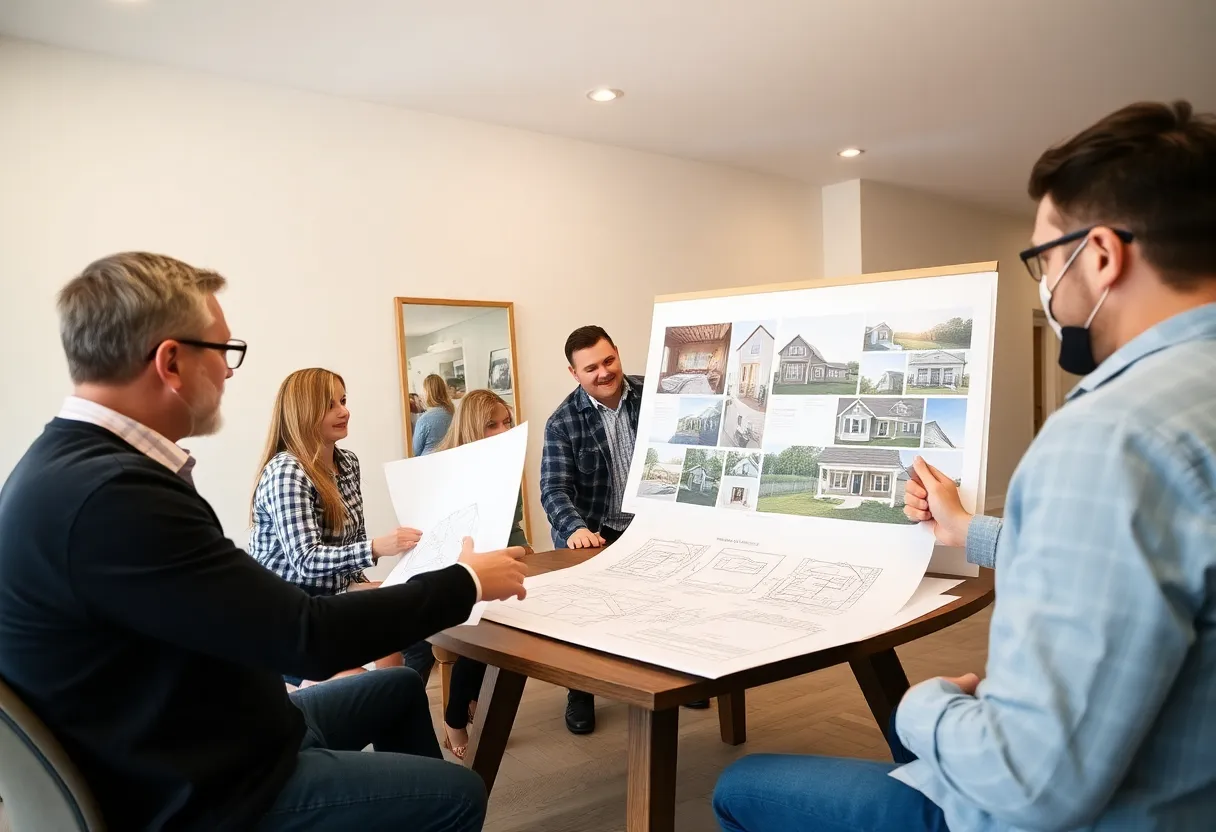
Visual tools bridge the gap between concept and execution. Create detailed sketches, renderings, or digital 3D models. Use samples of materials, colors, and finishes to provide tactile references. Visual aids help builders grasp your style and expectations accurately.
Establish Open Dialogue and Feedback Loops
Encourage regular updates and questions. Schedule periodic check-ins to review progress. Providing constructive, immediate feedback ensures alignment and allows for adjustments before issues escalate.
Leverage Written and Formal Communication
Document key decisions and expectations. Formal correspondence—emails, specification sheets, contracts—serves as reference points. This clarity reduces misinterpretation and provides legal documentation if disputes arise.
Building a Collaborative Relationship with Indianapolis Home Builders
Choose the Right Builder
Select a builder with proven experience in the style and scope of your project. Evaluate their portfolio, licensing, references, and familiarity with Indianapolis’s building codes. A good fit ensures smoother communication.
Set Clear Roles and Responsibilities
Define who is responsible for design decisions, procurement, scheduling, and quality assurance. Clarify points of contact to streamline communication channels.
Establish a Timeline and Milestones
Agree on realistic project milestones. Use these checkpoints for review and feedback. Transparent scheduling fosters accountability and keeps the project on track.
Communicate Changes Promptly
If alterations or unforeseen issues arise, inform your builder immediately. Discuss implications on budget and timeline. Being transparent about changes ensures proactive problem-solving.
Overcoming Common Communication Challenges
Managing Different Perspectives
Homeowners’ visions may clash with builders’ practical perspectives or technical constraints. Facilitate open, respectful dialogues. Focus on solutions rather than disagreements.
Dealing with Technical Jargon
Avoid confusion by requesting explanations of technical terms. Use visuals to clarify complex concepts. Employ professionals like architects or project managers to translate technical language into understandable terms.
Handling Expectations and Reality Gaps
Align aspirations with feasibility early. Be receptive to recommendations from experienced builders. Maintaining flexibility ensures your vision remains achievable without compromising quality.
Enhancing Communication with Modern Tools
Utilize Digital Platforms
Leverage project management software, shared online folders, or visualization tools. These platforms centralize information, streamline updates, and facilitate real-time collaboration.
Adopt Virtual and 3D Modeling
3D rendering platforms allow you to virtually walkthrough your future home. Viewing designs interactively helps refine your vision before construction begins.
Final Tips for a Successful Home Building Experience
- Maintain Transparency: Openly share concerns and priorities throughout the project.
- Be Patient and Flexible: Construction projects often encounter delays or unforeseen issues.
- Establish Mutual Trust: Respect the expertise of your builder and communicate appreciatively.
- Document Everything: Keep records of decisions, changes, and approvals for clarity and accountability.
Conclusion
Effective communication of your vision is instrumental in translating ideas into a successful Indianapolis home construction project. Clarity, preparation, visual aids, and ongoing dialogue form the backbone of collaboration. By establishing transparent, respectful, and well-documented exchanges, homeowners can foster productive relationships with builders—ultimately ensuring their dream home is realized efficiently and to satisfaction.

Author: STAFF HERE INDIANAPOLIS WRITER
The INDIANAPOLIS STAFF WRITER represents the experienced team at HEREIndianapolis.com, your go-to source for actionable local news and information in Indianapolis, Marion County, and beyond. Specializing in "news you can use," we cover essential topics like product reviews for personal and business needs, local business directories, politics, real estate trends, neighborhood insights, and state news affecting the area—with deep expertise drawn from years of dedicated reporting and strong community input, including local press releases and business updates. We deliver top reporting on high-value events such as the Indianapolis 500, Indy Jazz Fest, and the Indiana State Fair. Our coverage extends to key organizations like the Indy Chamber and Visit Indy, plus leading businesses in motorsports and healthcare that power the local economy such as Indianapolis Motor Speedway and IU Health. As part of the broader HERE network, we provide comprehensive, credible insights into Indiana's dynamic landscape.