
What Are the Key Considerations for Effective DIY Home Repairs in Indianapolis?
Engaging in DIY home repairs can be both cost-effective and satisfying. However, in Indianapolis, where weather conditions, building codes, and local regulations vary, careful planning and execution are essential. This comprehensive guide explores the core factors that ensure successful DIY repairs, helping residents improve their homes efficiently and safely.
Understanding Local Building Regulations and Codes
Before initiating any repair project, it is crucial to grasp local building codes and zoning laws. Indianapolis enforces specific regulations designed to ensure safety, structural integrity, and community standards. Failure to comply can result in fines or required corrections, which increase costs and delays.
Research municipal codes: Visit official city websites or contact local building departments to understand permit requirements for particular repairs. Minor projects like painting or small drywall fixes may not need permits, but major work—such as electrical or structural repairs—likely will.
Obtain necessary permits: Securing permits before beginning work ensures compliance and insures the legality of completed repairs. It also provides an official framework for inspections and approvals.
Assessing the Scope and Complexity of the Repair
Effective DIY repairs start with realistic assessment.
Nature of the Repair
Determine if the repair is simple or complex. Minor tasks like fixing leaks or replacing fixtures are usually manageable.
More complex projects, like structural repairs or electrical work, demand advanced skills and training. Missteps can compromise safety and property value.
Time and Skill Required
Evaluate your own expertise honestly. If a project exceeds your skills or available time, consider hiring licensed professionals.
Gathering the Right Tools and Materials
Proper equipment is essential for safety and quality outcomes. Invest in quality tools suited for the task.
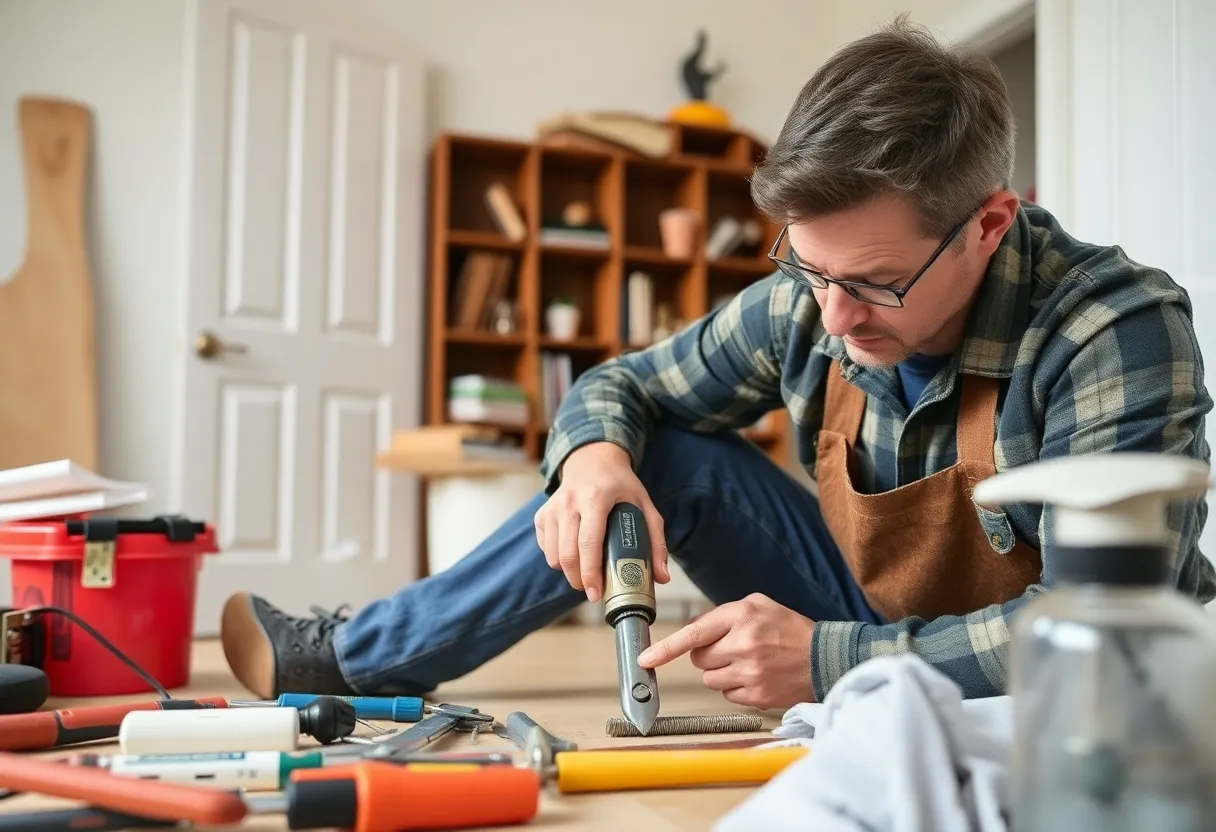
Common tools: screwdrivers, hammers, drills, saws, levels, and safety gear like goggles and gloves.
Materials: use high-grade products compliant with local standards. For example, select weather-resistant materials for exterior repairs, common in Indianapolis’s variable climate.
Always check that supplies meet city code standards to prevent issues during inspections.
Planning the Repair Process
An organized plan saves time and minimizes mistakes. Break down tasks into smaller steps.
Creating a Timeline
Estimate realistic timeframes for each phase of the project, factoring in weather and other commitments. Proper scheduling can prevent rushed work that compromises safety or quality.
Budgeting Effectively
Determine the total cost, including materials, tools, and potential permit fees. Allocate extra funds for unforeseen issues that commonly arise in home repairs.
Prioritizing Safety and Precautions
Safety is paramount in any DIY project. Know and follow essential safety guidelines to prevent injuries.
Protective Equipment
Use safety goggles, gloves, proper footwear, and masks where necessary. For electrical work, utilize insulated tools and circuit testers.
Handling Hazardous Materials
Dispose of old paint, asbestos, or lead-based materials responsibly. Follow local hazardous waste disposal regulations.
Weather Considerations
Indianapolis experiences seasonal extremes. Schedule exterior repairs during favorable weather conditions. Avoid work during rain, snow, or extreme heat to ensure safety and material integrity.
Understanding Local Climate and Material Suitability
Indianapolis’s climate influences material choice and repair timing.
Weather-Resistant Materials: Use durable options suited for humidity, temperature fluctuations, and freeze-thaw cycles.
For example, select siding, roofing, and outdoor paint rated for local climate challenges to ensure longevity of repairs.
Learning and Applying Proper Techniques
Proper technique guarantees safety, efficiency, and a professional appearance. Use tutorials, guides, and local workshops to build competence.
Never rush through procedures like electrical wiring or plumbing, as errors can be dangerous. Follow manufacturer instructions meticulously.
Consult reputable sources or experienced neighbors when uncertain about specific methods.
Understanding When to Hire Professionals
While DIY offers savings, some repairs should be left to licensed experts. Recognize the signs that professional intervention is necessary.
Complex Electrical or Plumbing Work
Any repair involving mains electricity or complex plumbing requires licensure to ensure safety and code compliance.
Structural Issues
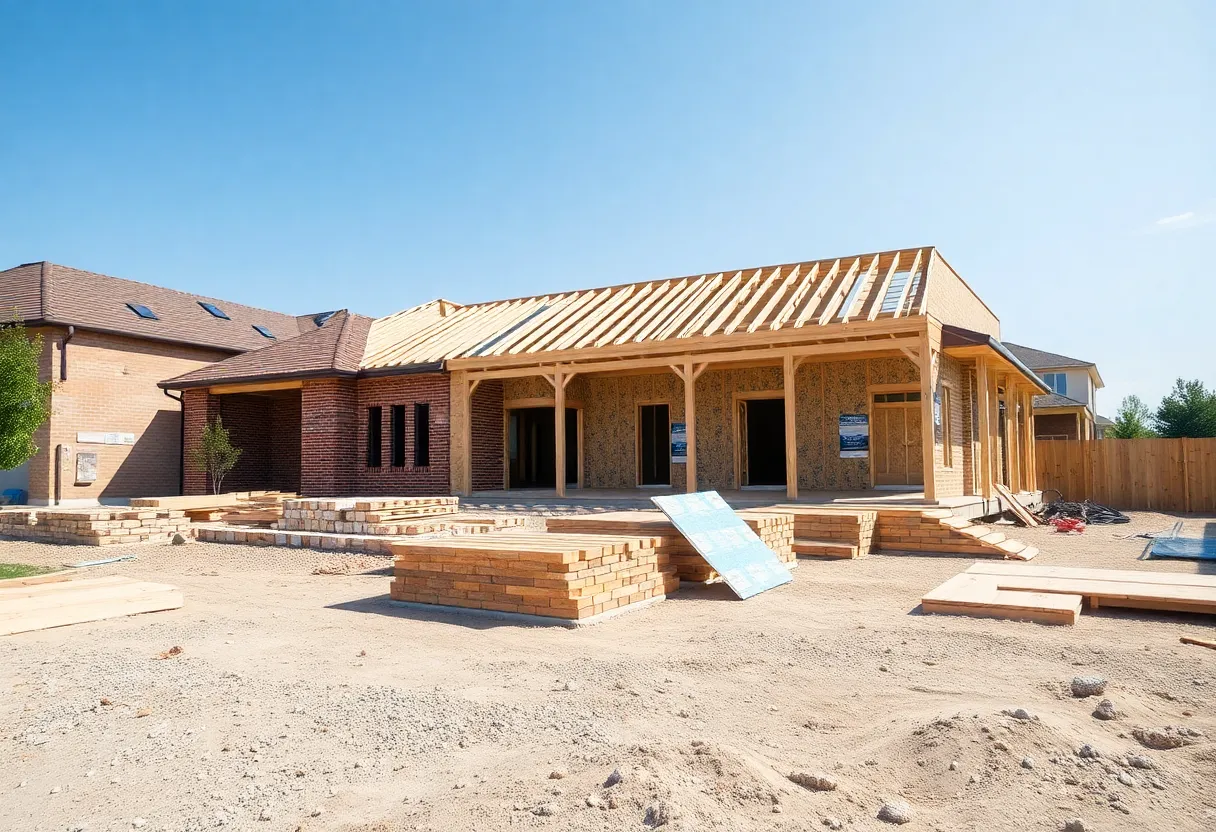
Foundation cracks, load-bearing wall modifications, or roofing replacements demand specialized skills and permits.
Historical Preservation or Specialty Repairs
Restoring historic features or repairing specialized systems may require certified professionals knowledgeable about local regulations and techniques.
Documenting Repairs for Future Reference
Maintain records of tools, materials, and work completed. Photos and receipts aid in future maintenance or selling the property.
This documentation can also demonstrate compliance with local regulations when necessary.
Considering Environmental Impact and Sustainability
Adopt eco-friendly practices—use low-VOC paints, recycle old materials, and select energy-efficient solutions.
This not only benefits the environment but can reduce long-term costs and improve home efficiency.
Evaluating the Cost-Benefit Ratio
Compare DIY costs versus professional quotes. For minor repairs, DIY can be economical.
However, for high-risk or complex projects, investing in professional services may save money by preventing future issues.
Conclusion
For Indianapolis residents, effective DIY home repairs hinge on understanding local codes, assessing project scope accurately, and employing proper techniques safely. Good planning, appropriate materials, and a clear knowledge of the limits of one’s skills will lead to successful outcomes.
Prioritizing safety, environmental considerations, and legal compliance ensures repairs enhance property value and safety. When in doubt, consulting licensed professionals is wise—especially for complex or risky tasks.
Applying these key considerations transforms DIY projects from mere maintenance into superior home improvements. Properly executed, these repairs can prolong the life of your home and foster a sense of accomplishment.

Author: STAFF HERE INDIANAPOLIS WRITER
The INDIANAPOLIS STAFF WRITER represents the experienced team at HEREIndianapolis.com, your go-to source for actionable local news and information in Indianapolis, Marion County, and beyond. Specializing in "news you can use," we cover essential topics like product reviews for personal and business needs, local business directories, politics, real estate trends, neighborhood insights, and state news affecting the area—with deep expertise drawn from years of dedicated reporting and strong community input, including local press releases and business updates. We deliver top reporting on high-value events such as the Indianapolis 500, Indy Jazz Fest, and the Indiana State Fair. Our coverage extends to key organizations like the Indy Chamber and Visit Indy, plus leading businesses in motorsports and healthcare that power the local economy such as Indianapolis Motor Speedway and IU Health. As part of the broader HERE network, we provide comprehensive, credible insights into Indiana's dynamic landscape.