
How to Choose the Right Home Renovation Style for Your Family’s Needs
Deciding on a home renovation style is a significant decision that impacts daily life, comfort, and property value. A well-chosen style aligns with family needs, personal preferences, and practical considerations. This guide offers comprehensive insights on selecting an ideal renovation approach tailored to your household.
Understanding the Importance of Customization in Home Renovation
Home renovation is not a one-size-fits-all. While popular styles like modern, traditional, or minimalist offer aesthetic appeal, they may not suit every family. Customization ensures the space reflects your family’s unique lifestyle, interests, and priorities.
Identifying core family needs early facilitates a style that enhances functionality. For example, a household with children may prioritize durable surfaces and flexible spaces, whereas empty-nesters might prefer serene, minimalist interiors.
Assessing Your Family’s Lifestyle and Functional Needs
Analyze Daily Routines
Evaluate how your family interacts with different parts of the home. Do you need an open-concept kitchen for entertaining? A dedicated homework area? A quiet retreat for parents?
Identify Key Spaces
Focus on essential areas: kitchen, bathrooms, bedrooms, and common areas. Determine if current layouts serve your needs or require restructuring.
Prioritize Practical Features
Consider features that improve everyday life: ample storage, child-friendly surfaces, or accessible designs for aging relatives.
Considering Your Personal Design Style Preferences
Reflect on Aesthetic Tastes
Gather inspiration from magazines, online portfolios, or design shows. Document what appeals visually, noting color palettes, textures, and furniture styles.
Balance Personal Taste with Practicality
While personal preferences are essential, they should harmonize with your household’s functional needs. Aesthetics should not compromise comfort or accessibility.
Evaluating Home’s Architectural Features
Identify Architectural Constraints
Understand the structural elements of your home—load-bearing walls, window placements, ceiling heights—that influence style options.
Determine Flexibility
Some styles adapt better to existing features. For instance, open-plan designs complement modern aesthetics, whereas traditional styles may highlight ornate moldings or fireplaces.
Research Popular Renovation Styles and Their Characteristics
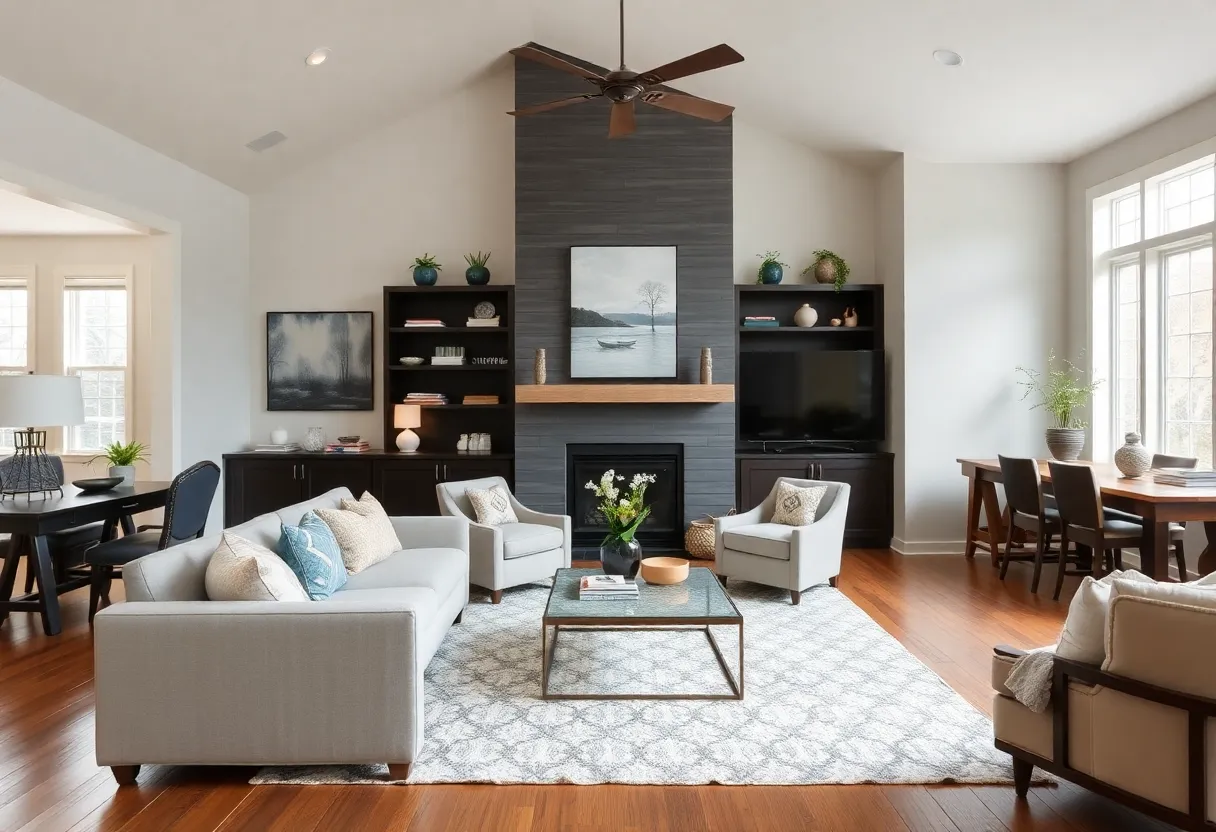
Modern and Contemporary
- Features: clean lines, minimal ornamentation, neutral palettes, open spaces
- Best for: families seeking sleek, uncluttered environments with ease of maintenance
Traditional
- Features: intricate moldings, warm wood tones, classic furnishings
- Best for: families valuing timeless elegance and cozy, inviting atmospheres
Rustic and Farmhouse
- Features: natural materials, distressed finishes, farmhouse sinks
- Best for: families wanting a warm, rugged feel emphasizing comfort and nature
Industrial
- Features: exposed brick, metal fixtures, utilitarian design elements
- Best for: modern families seeking edgy, urban aesthetics with durability
Scandinavian and Minimalist
- Features: simplicity, functionality, light color schemes, natural light
- Best for: families prioritizing decluttered, serene environments
Matching Style with Maintenance and Budget Constraints
Cost Considerations
Each style entails different investment levels. Traditional and ornate styles often require higher costs due to detailed craftsmanship. Minimalist designs may be less expensive but require high-quality materials to achieve sleekness.
Maintenance Demands
Evaluate how much time and effort your family can dedicate to upkeep. Hard-wearing surfaces and easy-to-clean materials are preferable for busy households or families with children.
Prioritizing Flexibility and Future-Proofing
Choose styles that adapt well over time. _Timeless designs often provide longevity_ and less frequent need for major updates.
For families anticipating future needs, such as aging-in-place modifications or expanding households, flexible styles that accommodate changes are ideal.
Involving the Entire Family in the Renovation Decision
Collaborative Decision-Making
Gather input from all family members. This fosters a sense of ownership and ensures the space suits everyone’s needs.
Visualize Together
Create mood boards or virtual models to visualize choices. This collaborative approach enhances satisfaction and reduces post-renovation adjustments.
Consulting with Design Professionals
Engaging architects, interior designers, or renovation experts can clarify which styles align best with your house’s architecture and your lifestyle. Their insights optimize space utilization and aesthetic coherence.
Making a Cohesive Choice
Ultimately, selecting the right renovation style hinges on integrating all discussed factors:
- Practical needs of your household
- Family preferences and lifestyle
- Architectural constraints
- Budget and maintenance considerations
- Future flexibility
_A balanced approach ensures your home remains functional, comfortable, and reflective of your family’s identity_.
Implementing Your Chosen Style Effectively
Consistent Design Elements
Maintain consistency through color schemes, hardware finishes, and furniture styles. Cohesion enhances visual harmony.
Attention to Detail
Small details—such as lighting, textiles, and accessories—amplify the overall aesthetic and functionality.
Phased Renovations
If budget constraints exist, consider phased updates, starting with core areas. This approach allows for gradual style development without overwhelming resources.
Final Tips for a Successful Renovation
- Prioritize planning: detailed blueprints reduce surprises and cost overruns.
- Stay flexible: adapt plans as needed based on evolving family needs or unforeseen structural issues.
- Maintain quality standards: invest in durable, high-quality materials that support your chosen style and withstand daily wear.
- Document your vision: clear visual references prevent miscommunications with contractors.
- Regularly review progress: ensure the project aligns with initial goals and style preferences.
Conclusion
_Choosing the right home renovation style is an intentional process_. It requires a thoughtful assessment of your family’s daily routines, personal tastes, and the home’s structural features. By balancing aesthetic desires with practical needs and budget considerations, you can craft a living space that is both beautiful and highly functional.
Remember, your home should reflect your family’s unique identity and support your lifestyle. Making informed, deliberate choices during renovation ensures a lasting, satisfying result that provides comfort for years to come.