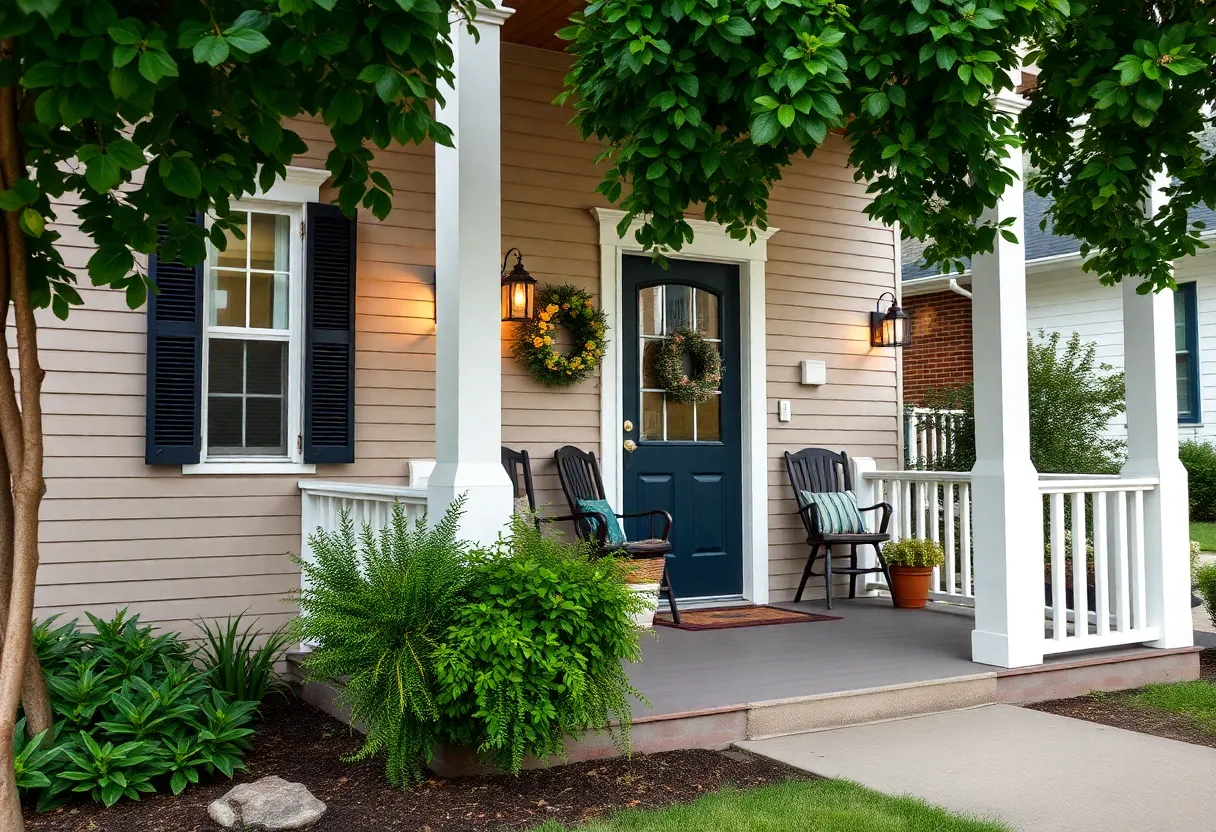

How to Harmoniously Blend Indoor and Outdoor Spaces in Your Home Renovation
Achieving a seamless integration between indoor and outdoor areas stands as a pinnacle of modern home design. Such harmonization not only extends your living space but also elevates the aesthetic allure and functional versatility of your residence. This guide meticulously explores strategic approaches, design principles, and practical tips to create a cohesive environment that bridges the gap between your interior comforts and exterior natural beauty.
Understanding the Foundations of Indoor-Outdoor Living
Successful integration begins with grasping its core objectives. Primarily, the goal is to foster a fluid transition that visually and functionally unites outdoor landscapes with indoor environments. This fusion enhances social interactions, maximizes natural light, and promotes well-being by blurring the boundaries between nature and habitation.
Such spaces are characterized by transparent or expansive visual connections, consistent material palettes, and adaptable design elements. Recognizing these foundational elements sets the stage for deliberate, well-informed renovation choices.
Planning for Cohesion
Assess Your Existing Layout and Landscape
An initial step involves evaluating your current property features and how they interface. Identify focal points like garden views, existing patio structures, or natural lawn contours. This assessment informs how your indoor spaces can logically connect to outdoor zones.
Define Your Functional Goals
Determine the primary uses you envision for these transitional spaces. Whether it’s hosting large gatherings, creating a serene retreat, or establishing a play area, clarity in purpose guides appropriate design decisions.
Establish Visual Continuity
Visual flow can be achieved through consistent color schemes, materials, and architectural details. Harmonizing these elements ensures the transition appears intentional and unified rather than disjointed or abrupt.
Architectural Strategies for Seamless Integration
Expansive Opening Designs
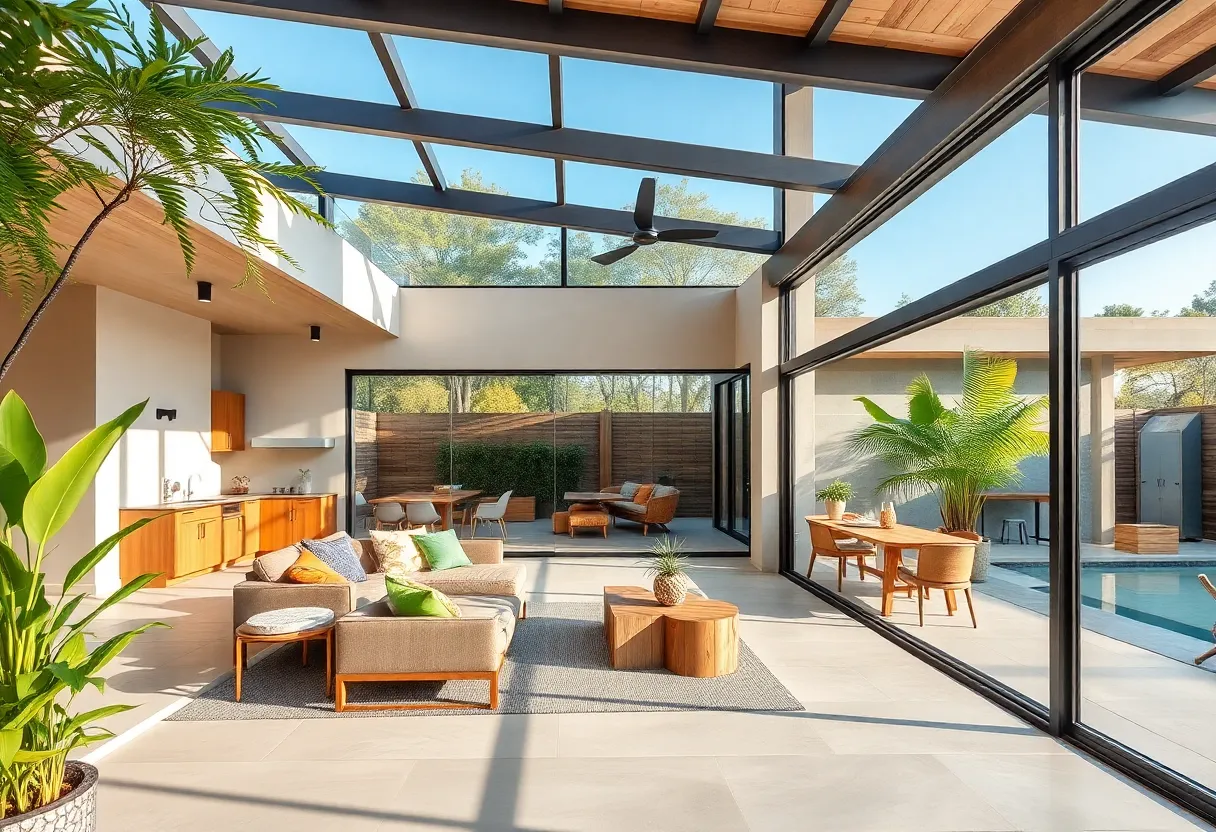
Implementing large sliding doors, folding glass walls, or bi-folding systems effectively eliminates barriers between indoor and outdoor environments. These features, when well-executed, transform spaces into a single cohesive volume.
Bridge with Level Transitions
Minimize step heights or incorporate gradual ramps to ensure unbroken flow across thresholds. For multi-level properties, strategic terracing or staggered deck designs can harmonize interior and exterior planes.
Matching Architectural Language
Utilize consistent rooflines, window styles, and structural materials. For example, matching roofing materials or using similar trim details creates visual harmony and reduces the perception of disparity.
Material Selection and Textural Continuity
Indoor and Outdoor Material Parity
Choose materials that can withstand weather while maintaining aesthetic connection. For instance, using natural stone or wood finishes both indoors and outdoors fosters a sensory link and a feeling of unity.
Durability and Maintenance
Prioritize scratch-resistant, slip-proof, and weather-resistant materials for outdoor elements. Meanwhile, select indoor finishes that complement outdoor textures to maintain consistency over time.
Color Palette Synchronization
Adopt a unified color scheme across indoor and outdoor surfaces. Muted earth tones or monochromatic schemes are particularly effective in fostering coherence.
Landscaping and External Design Principles
Strategic Planting
Use plantings to frame and soften transitions. Layered planting beds, trees, and shrubs can act as natural buffers that visually connect outdoor spaces with indoor views.
Designing Outdoor Rooms
Establish defined zones—dining areas, lounging sectors, or garden nooks—that reflect indoor spatial concepts. Incorporate outdoor furniture and lighting that echoes interior styling.
Pathways and Visual Guides
Lay paved or gravel pathways lined with lighting or plant features to guide the eye and create a visual continuum from inside to outside.
Lighting and Ambiance Creation
Complementary Lighting Schemes
Implement layered lighting—ambient, task, and accent—in both indoor and outdoor settings. Coordinating fixtures, such as warm-toned string lights or embedded pathway LEDs, amplifies the visual harmony.
Use of Dimmers and Sensors
Incorporate versatile controls to adjust brightness levels, creating an adaptable ambiance that suits various activities and enhances transitional fluidity.
Functional Enhancements and Accessories
Integrated Versatile Furniture
Opt for furniture pieces that are suitable for both indoor and outdoor environments—such as weatherproof wicker or metal and wood combinations—that reinforce unity.
Built-in Outdoor Kitchens and Fireplaces
Design these features with materials and finishes matching indoor complements. They act as focal points bridging spaces and elevate the overall aesthetic fluidity.
Technological Integration
Use smart home automation to control lighting, climate, and shading systems, ensuring seamless operation across indoor and outdoor zones. This technological harmony enhances user experience and maintains aesthetic consistency.
Case Studies and Design Examples
While specific design choices vary based on individual tastes and site conditions, common successful solutions include expansive floor-to-ceiling glass doors opening into patios, continuous flooring materials, and unified ceiling treatments. These strategies exemplify a meticulous balance between function and aesthetics, catalyzing a cohesive indoor-outdoor living environment.
Common Challenges and Solutions
Weather Considerations
Outdoor elements are exposed to climate fluctuations. Use weather-resistant materials and include retractable or adjustable features to extend usability across seasons.
Security and Privacy
Design fencing, screens, or landscaping to secure outdoor spaces without compromising visual openness. Layered privacy solutions can help maintain openness while ensuring seclusion.
Cost Management
Integrate high-impact features strategically. Prioritize elements that maximize visual flow and functional synergy without inflating project expenses.
Conclusion: Crafting Your Cohesive Indoor-Outdoor Sanctuary
Harmoniously blending indoor and outdoor spaces requires deliberate planning, cohesive design choices, and a keen understanding of both aesthetic and functional principles. When expertly executed, this integration enhances the home’s livability, visual appeal, and connection with nature. The key is to prioritize visual continuity, material harmony, and practical adaptability. This approach transforms your residence into a serene, versatile environment that truly reflects a seamless living experience.