

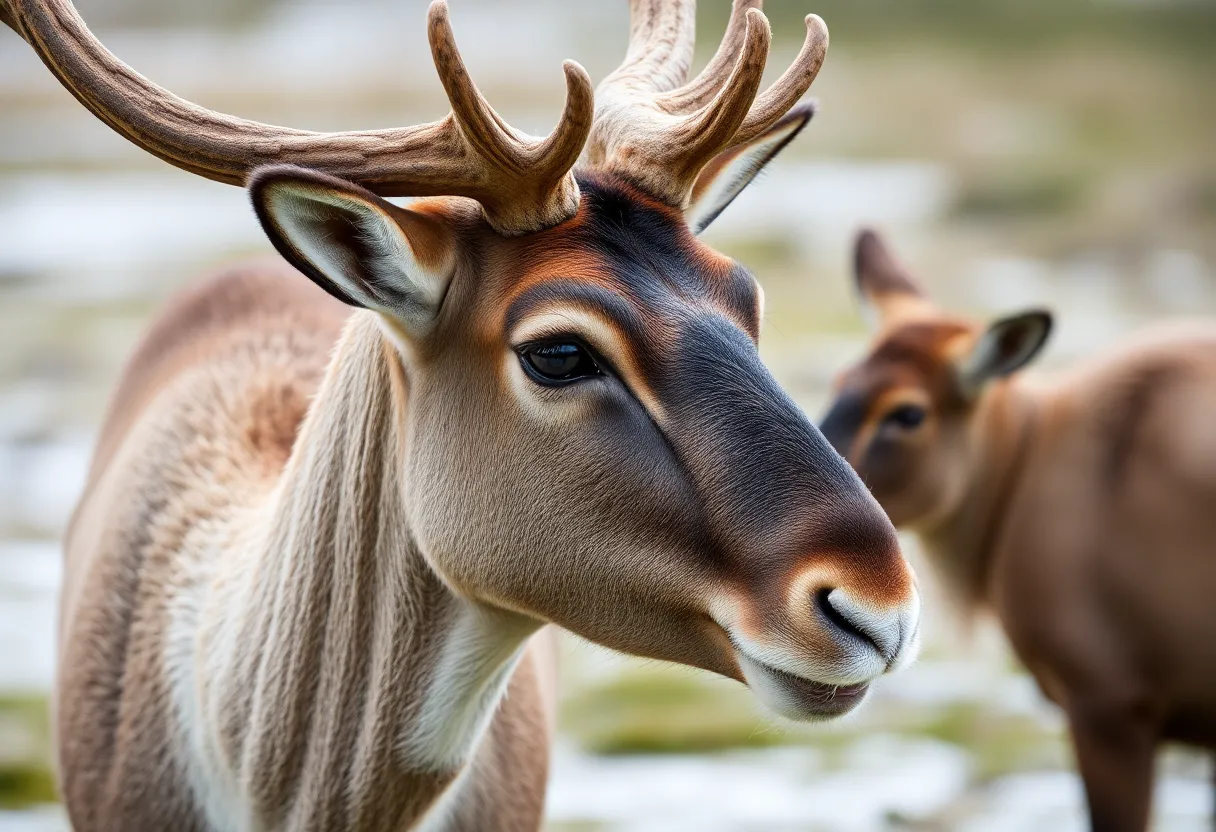
Indianapolis, December 12, 2025
In Indianapolis, Hope, a domesticated caribou, showcases remarkable adaptations that inspire wildlife enthusiasts. Her physical traits and behavioral changes highlight the impact of domestication, revealing the deeper connections between human-care and wildlife innovation. As her wild counterparts face significant conservation issues, Hope’s story emphasizes the need for preserving both adapted and wild species.
Hope: The Domesticated Caribou with Unique Adaptations
Captivating Features of Hope that Inspire Wildlife Enthusiasts
Indianapolis is home to a captivating story of resilience and adaptation, embodied by Hope, a domesticated caribou. Her unique physical characteristics and behavioral traits not only intrigue wildlife enthusiasts but also exemplify how domestication can lead to remarkable changes in animal species. As we celebrate such adaptations, it reminds us of the ingenuity behind human-animal relationships and the potential for innovation in caring for wildlife.
As local entrepreneurs and small business owners thrive in their endeavors, the determination and innovation displayed in managing these animals resonate on a broader economic scale. Just as businesses adapt to market demands, Hope has adjusted to her environment and human interactions, demonstrating the potential that both wildlife and business share—an ability to innovate and thrive amidst challenges.
Physical Adaptations of Hope
Hope’s hooves reflect an extraordinary evolutionary adjustment. In winter, her hooves contract and become sharper, enabling her to dig through ice and snow to find sustenance. During the warmer months, they soften and widen, providing enhanced traction on softer terrains. This remarkable seasonal adaptability is quite uncommon in the animal kingdom, yet vital for survival in extreme climates.
Additionally, Hope’s fur comprises hollow, kinked hairs, which trap air for insulation, keeping her warm in frigid temperatures. This special fur not only provides thermal insulation but also makes her buoyant, which assists her in swimming. Such adaptations highlight how domesticated animals can evolve uniquely through human interaction and care.
Behavioral Changes Due to Domestication
Hope’s behavior has notably shifted from that of her wild relatives. Unlike wild caribou that typically migrate long distances, domesticated caribou like Hope have adapted to a stationary lifestyle, relying on humans for provision and shelter. This adjustment has led to a reduction in migratory patterns and a transformation of social structures among domesticated herds. Understanding these changes fosters appreciation for the relationship between humans and wild animals.
Conservation Status of Wild Caribou
While Hope’s domesticated lineage is not facing immediate threats, her wild counterparts are experiencing significant challenges. Wild caribou populations are on the decline due to factors such as habitat loss, climate change, and increased predation. Ongoing conservation efforts aim to protect their natural habitats and ensure that these majestic animals continue to thrive in the wild.
Conclusion: The Importance of Preservation and Understanding
Hope stands as a remarkable example of how domestication can lead to significant changes in wildlife. Her story emphasizes the importance of understanding the delicate balance between human interaction and the natural world. As we seek to preserve these adaptations in domesticated animals, it is equally crucial to advocate for the protection of their wild relatives. Engaging with local conservation efforts not only safeguards the future of species like the caribou but can promote a thriving ecosystem that ultimately benefits us all.
Frequently Asked Questions (FAQ)
What are the physical adaptations of Hope, the domesticated caribou?
Hope’s hooves contract and become sharper in winter, allowing her to dig through ice and snow to access food. In summer, her hooves soften and widen, providing better traction on soft ground. Her fur consists of hollow, kinked hairs that trap air, creating an insulating layer to keep her warm and making her buoyant for swimming.
How has domestication affected Hope’s behavior?
Unlike wild caribou, which undertake long migrations, domesticated caribou like Hope have adapted to a more stationary lifestyle, relying on humans for food and shelter. This change has led to a reduction in migratory patterns and altered social structures.
What is the conservation status of wild caribou?
Wild caribou populations have been declining due to habitat loss, climate change, and increased predation. Conservation efforts are ongoing to protect these animals and their habitats.
Key Features of Domesticated Caribou Adaptations
| Adaptation | Description |
|---|---|
| Seasonal Hoof Changes | In winter, hooves contract and sharpen for digging through ice; in summer, they soften and widen for better traction on soft ground. |
| Insulating Fur | Fur consists of hollow, kinked hairs that trap air, providing warmth and buoyancy for swimming. |
| Behavioral Adaptations | Domesticated caribou like Hope have adapted to a stationary lifestyle, relying on humans for food and shelter, leading to reduced migratory patterns. |
Deeper Dive: News & Info About This Topic
HERE Resources