

Indianapolis, Indiana, December 11, 2025
In Indianapolis, Republican lawmakers are opposing former President Trump’s proposal to redraw congressional districts, aiming to secure all nine seats for the GOP by 2026. Despite internal party pressures and threats, a bipartisan coalition of lawmakers challenges the plan, citing potential electoral chaos and undermining of minority representation. The controversial plan could split Indianapolis into four districts, impacting Democratic strength and Congressman André Carson’s seat. The outcome could signify a shift in Trump’s influence within the Indiana GOP and broader implications for partisan politics across the country.
Indianapolis, Indiana – Republican Resistance to Trump’s Redistricting Efforts
Indianapolis, Indiana – Republican lawmakers in Indiana are pushing back against former President Donald Trump’s initiative to redraw the state’s congressional districts. This proposed action could potentially secure all nine congressional seats for the GOP during the 2026 midterm elections. Despite facing pressure from Trump, including potential threats of primary challenges, a coalition of at least 12 Republican legislators, along with 10 Democrats, is opposing the bill, while an additional 12 senators remain undecided. If four of these senators vote against the plan, it may not advance further. While the state House has already approved the measure, it did so with some Republican defections, indicating that internal party dynamics are at play.
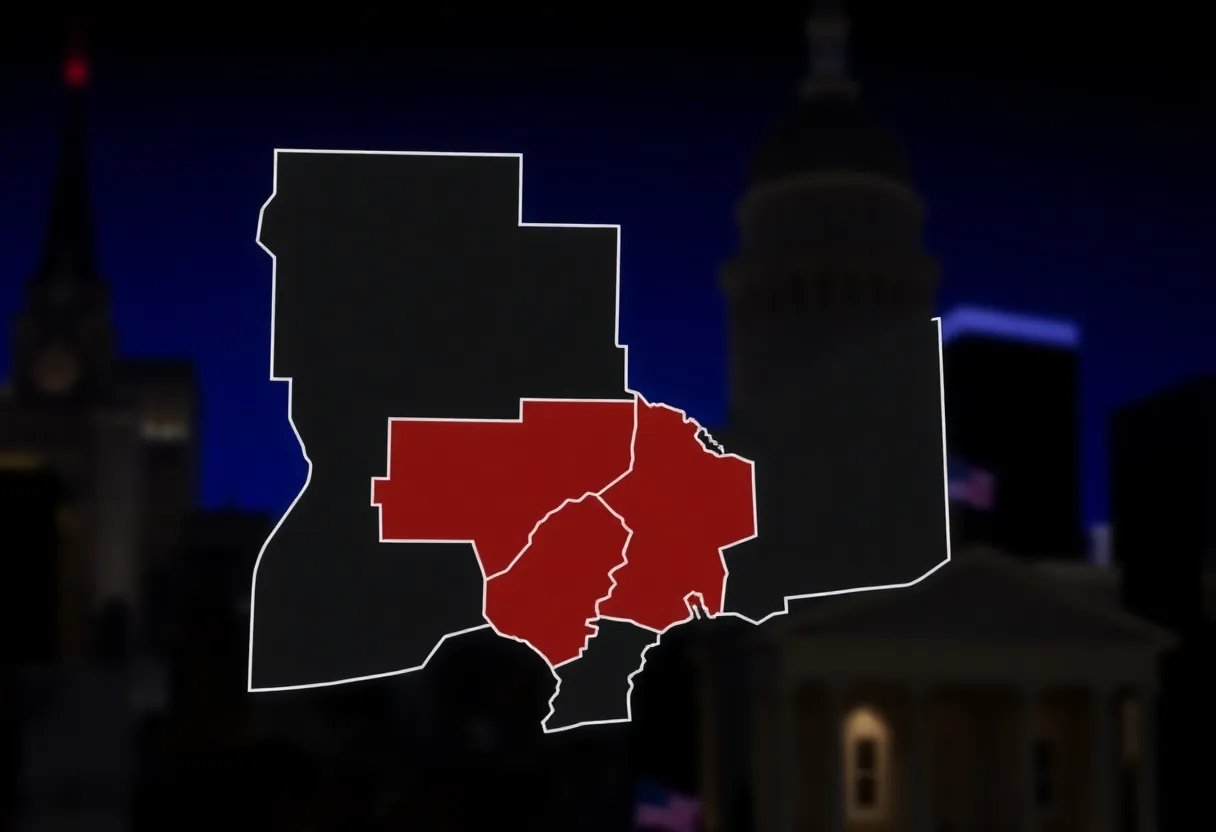
This redistricting attempt is part of a larger trend seen across GOP-led states as they engage in mid-cycle redistricting to bolster their electoral prospects for upcoming elections. The Indiana vote is pivotal; a rejection of the plan would signify a significant decline in Trump’s sway over the party in Indiana. The proposed redistricting seeks to divide Indianapolis into four distinct districts, which could have the effect of diminishing Democratic representation and potentially jeopardizing the seat of Rep. André Carson, Indiana’s only Black U.S. congressman. Critics have raised concerns that the changes appear politically motivated and could suppress minority voices in the political arena. GOP Senate leader Rodric Bray and several Republican senators have voiced their opposition, highlighting fears of electoral disarray, administrative complications, and damaged public trust in the electoral system. Public sentiment is notably against the proposal, with recent polls indicating a majority disapproval among Hoosiers.
Background Context
The process of redistricting involves redrawing electoral district boundaries and typically follows the census, occurring once every decade. However, mid-cycle redistricting like the one proposed in Indiana is rare and often viewed through a political lens. Similar conflicts are emerging in other Republican-dominated states, including Texas, North Carolina, and Missouri, where both judicial and legislative bodies are grappling with how to navigate partisan map designs. The results of Indiana’s redistricting initiatives could have significant implications for the local political landscape, as well as for Trump’s ongoing influence within the Republican Party.
Key Features of the Redistricting Plan
| Feature | Description |
|---|---|
| Splitting Indianapolis | Dividing Indianapolis into four congressional districts, potentially diluting Democratic strength. |
| Impact on Rep. André Carson | Affecting the seat of Rep. André Carson, Indiana’s only Black U.S. congressman. |
| Republican Opposition | A coalition of at least 12 Republicans joins 10 Democrats in opposing the bill, with 12 senators remaining undecided. |
| Potential Consequences | If the redistricting fails, pro-Trump factions could seek to unseat dissenters in 2026 primaries, intensifying intra-party conflicts. |
Frequently Asked Questions (FAQ)
What is the proposed redistricting plan in Indiana?
The proposed redistricting plan aims to split Indianapolis into four districts, potentially diluting Democratic strength and affecting the seat of Rep. André Carson, Indiana’s only Black U.S. congressman.
Why are some Republican lawmakers opposing the redistricting plan?
Some Republican lawmakers oppose the mid-decade redistricting, citing possible electoral chaos, administrative strain, and voter distrust. They also express concerns about the potential suppression of minority representation.
What are the potential consequences if the redistricting plan fails?
If the redistricting fails in the Senate, pro-Trump factions could seek to unseat dissenters in 2026 primaries, intensifying intra-party conflicts and testing the durability of Trump’s influence in traditionally loyal territories.
How does this redistricting effort compare to similar actions in other states?
Similar redistricting battles are unfolding in other GOP-led states, including Texas, North Carolina, and Missouri, where courts and legislators are contesting partisan map designs. The outcome of Indiana’s redistricting could have significant implications for the state’s political landscape and for Trump’s influence within the Republican Party.
Deeper Dive: News & Info About This Topic
HERE Resources
Colts Sign Philip Rivers to Practice Squad Amid QB Injuries
Fernando Mendoza’s Stellar Performance Boosts NFL Draft Stock
Indiana Senate to Vote on Redistricting Proposal
Indiana State Senate to Vote on Redistricting Plan
Colts Turn to Philip Rivers for Quarterback Depth
Colts Grapple with Quarterback Crisis After Jones’ Injury
Colts Navigate Quarterback Crisis After Daniel Jones’ Injury
Redistricting Bill Advances in Indiana Senate Committee
Colts Quarterback Daniel Jones Suffers Season-Ending Injury
Daniel Jones Out for Season with Achilles Injury in Colts’ Loss