

Indianapolis, December 7, 2025
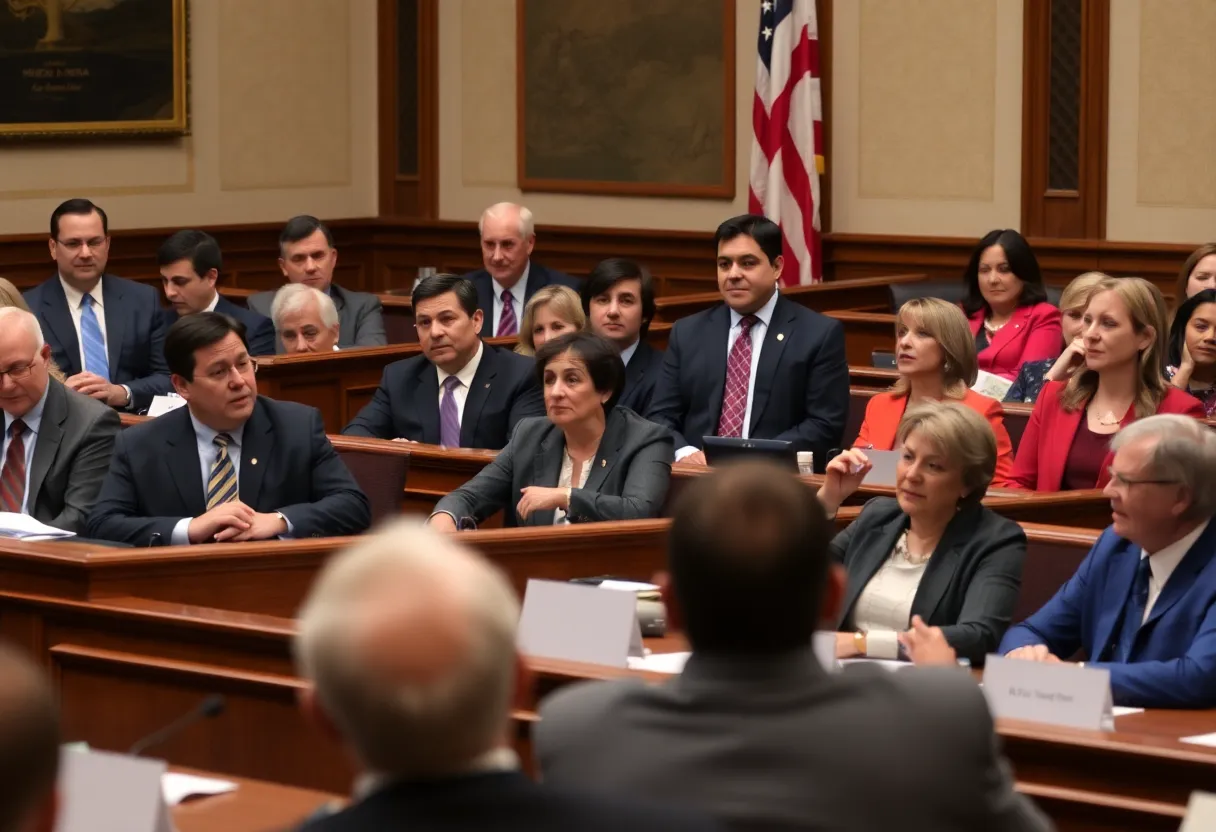
The Indiana House of Representatives has approved a contentious congressional redistricting map that is expected to reshape the state’s political landscape. The plan, backed by former President Trump, alters existing district boundaries and could significantly strengthen Republican representation in Indiana. Critics argue that it undermines fair representation for Black and Latino communities by fracturing their electoral power. As the proposal moves to the Senate, concerns about rising political tensions and safety for lawmakers add to the urgency of the situation.
Indianapolis, Indiana
Indiana House Republicans Pass Controversial Redistricting Map Amidst Rising Tensions
Indianapolis, Indiana – On December 5, 2025, the Indiana House of Representatives approved a contentious congressional redistricting map, showcasing Indiana’s evolving political landscape. Following a 57-41 vote largely along party lines, this plan, endorsed by former President Donald Trump, would shift the state’s congressional delegation from a 7-2 Republican-Democrat split to a projected 9-0 Republican hold. Such bold moves in redistricting reflect not only political strategy but also the determination of local leaders aiming to enact change amidst a backdrop of rising tensions.
This proposed map is designed to realign Indiana’s political representation by significantly altering existing district boundaries, notably splitting Indianapolis into four separate districts. Advocates argue that this redistricting is essential for maintaining fair representation as population dynamics shift across the state. In contrast, critics assert that the plan serves as a partisan maneuver which undermines the voices of Black and Latino communities by fragmenting their representation.
Details of the Redistricting Plan
The newly approved congressional map is characterized by the elimination of Indiana’s two Democratic U.S. House districts through a major restructuring. The objective is to reinforce Republican dominance in the state’s congressional representation. Proponents assert this move reflects necessary adjustments due to population changes across Indiana, while detractors highlight that the division of Indianapolis could critically impact voter representation and equity.
Legislative Process and Senate Considerations
Following its passage in the House, the redistricting plan now heads to the Indiana Senate, where its fate remains uncertain. Initially reluctant to support the proposal, Senate Republican leader Rodric Bray has yielded to pressure from influential figures including President Trump and Governor Mike Braun. As the Senate prepares to convene on December 8 for a vote, the internal party dynamics pose challenges that may influence the outcome.
Escalating Threats and Intimidation
Amid the contentious debate over redistricting, a troubling trend has surfaced: numerous Indiana legislators have faced intimidation tactics, including swatting attempts and bomb scares. Representative Ben Smaltz, a Republican supporting the redistricting measure, reported receiving alarming threats directed at his family. In response to these incidents, law enforcement agencies, including the state police, have heightened security measures for lawmakers to ensure their safety as political tensions escalate.
Background Context
Redistricting typically occurs every decade following the national census. However, pressures from national GOP leaders, inclusive of President Trump, are pushing for mid-decade redistricting initiatives to strengthen the Republican foothold ahead of the upcoming midterm elections in 2026. Indiana’s House approval of this redistricting map exemplifies a broader national trend, which has also been observed in other states undertaking similar initiatives.
Potential Implications
Should this redistricting plan be enacted, it stands to reshape the national political balance, potentially affecting Republican control within the U.S. House. However, the measure’s final outcome is contingent upon possible legal challenges and the forthcoming Senate decision. This situation illuminates the complexities involved in balancing fair representation with political maneuvering, making it essential for constituents to stay informed and engaged.
Frequently Asked Questions (FAQ)
What is the proposed redistricting plan in Indiana?
The proposed redistricting plan aims to shift Indiana’s congressional delegation from a 7-2 Republican-Democrat split to a 9-0 Republican hold by significantly altering district boundaries, including splitting Indianapolis into four separate districts.
What are the main arguments for and against the redistricting plan?
Supporters argue that the redistricting is necessary to reflect population changes and ensure fair representation. Critics contend that the plan is a partisan power grab that dilutes the influence of Black and Latino voters by dividing Indianapolis across multiple districts.
What is the current status of the redistricting plan?
The Indiana House of Representatives approved the redistricting map on December 5, 2025. The measure now moves to the Indiana Senate, where its fate remains uncertain. The Senate is scheduled to reconvene on December 8 to consider the proposal.
What are the potential implications of the redistricting plan?
If enacted, the redistricting plan could shift the current national balance of power, potentially affecting the Republican Party’s control in the U.S. House. However, ongoing legal challenges and the Senate’s decision will ultimately determine the plan’s fate.
Key Features of the Redistricting Plan
| Feature | Description |
|---|---|
| Proposed Congressional Delegation | Shift from 7-2 Republican-Democrat split to 9-0 Republican hold. |
| Impact on Indianapolis | City divided into four separate congressional districts. |
| Legislative Approval | Passed in the Indiana House; awaiting Senate consideration. |
| Legal Challenges | Potential legal challenges could affect the final outcome. |
| National Implications | Could influence the Republican Party’s control in the U.S. House. |
Deeper Dive: News & Info About This Topic
HERE Resources
Indiana House Approves Controversial Redistricting Map
Mark Sanchez Faces Legal Consequences Following Stabbing Incident
Mark Sanchez Arrested on Multiple Charges After Altercation
Daniel Jones Leads Colts Through Injury Determination
New Congressional Map Proposal Could Shift Political Balance in Indiana
Indiana State Police Investigate I-465 Road Rage Shooting
Colts Cornerback Sauce Gardner Suffers Calf Injury
Sauce Gardner Expected to Miss Time with Calf Injury
Indianapolis Colts Face Challenges Amidst Injuries and Losses
Criticism of Redistricting Efforts in Indianapolis