

Indianapolis, January 31, 2026
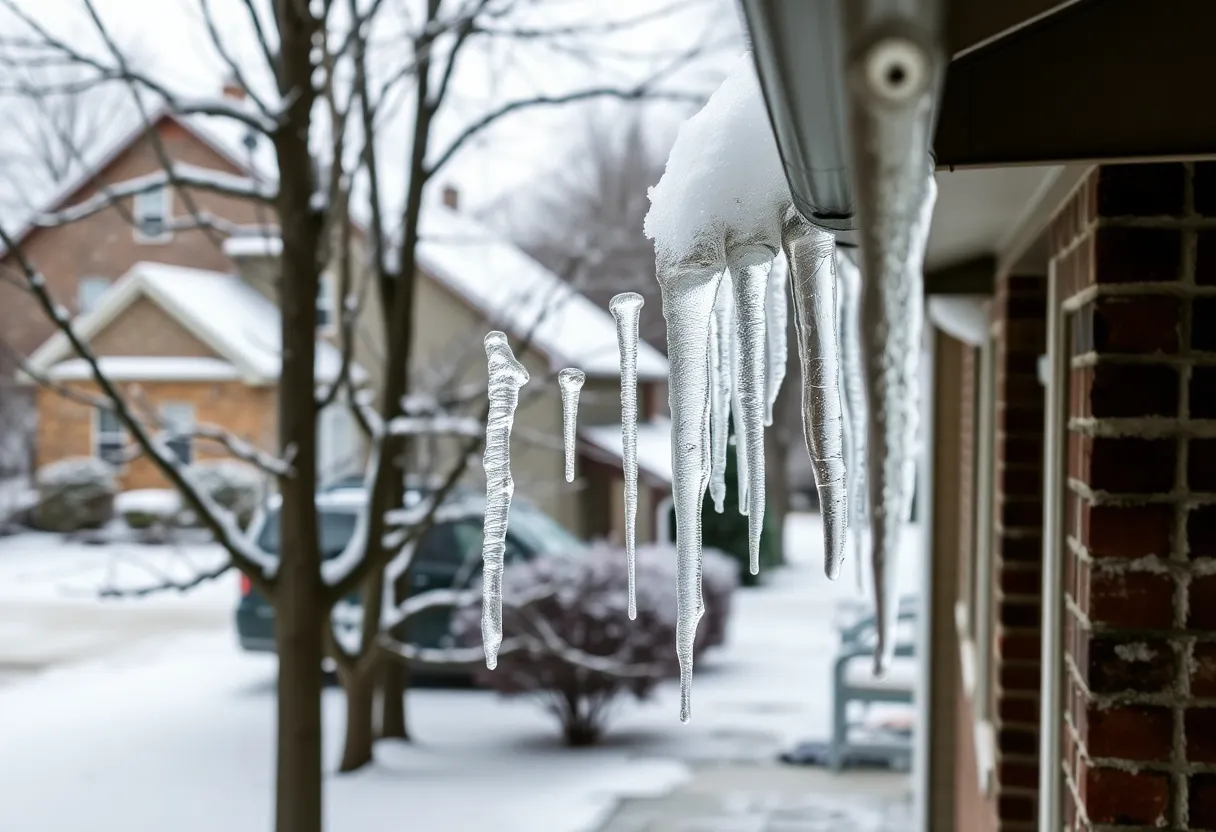
A recent winter storm has led to a dramatic increase in icicle formation across Indianapolis. With over 9 inches of snow falling in one day, the combination of melting and refreezing temperatures has resulted in these potentially hazardous formations. Residents are advised to be cautious of falling icicles and to maintain clear gutters to prevent ice buildup. This event serves as a reminder of the winter weather challenges faced in central Indiana.
Indianapolis Sees Spike in Icicles Following January Snowstorm
Cold Snap Leads to Aesthetic Yet Hazardous Icicles
Indianapolis, Indiana – A notable winter storm on January 25, 2026, has resulted in a significant increase in icicle formation across the city and surrounding areas. With a one-day snowfall total of over 9 inches, this phenomenon is strikingly driven by the combination of melting snow and refreezing temperatures that characterize this time of year. The sight may be picturesque, but it also comes with safety considerations that residents should be aware of.
Impact of the January 25 Snowstorm
The winter storm, which started late on January 24, left a substantial blanketing of snow across central Indiana. Indianapolis recorded a remarkable 9.1 inches of snowfall, the largest single-day accumulation since 2018. As a result, local authorities issued travel warnings, urging residents to use caution on the roads. This storm not only impacted travel but also created conditions conducive to icicle formation, which many are now experiencing on their homes and businesses. The accompanying cold wind chills only serve to complicate an already challenging winter situation.
How Icicles Form
Understanding how icicles develop can help explain their prevalence after a substantial snowfall. During warmer daylight hours, the accumulated snow starts to melt due to sunlight. However, as temperatures dip at nightfall, the water from the melted snow refreezes, leading to the formation of icicles along eaves, gutters, and numerous other surfaces. This cycle of melting and freezing is a common occurrence after significant winter weather events.
Potential Risks of Icicles
While icicles can add a charming aesthetic to the winter landscape, they also pose serious safety risks. The possibility of falling icicles can lead to personal injuries or even damage property. Residents are encouraged to stay cautious in areas with noticeable icicle formation, and clear gutters and downspouts to prevent further ice buildup that could create hazardous conditions.
Historical Context of Winter Weather Events in Central Indiana
Central Indiana has a history of experiencing heavy snow events, with the January 5-6, 2025 storm standing out as a recent example. That storm, which also resulted in significant snowfall, led to similar icicle formation due to the cyclic melting and refreezing processes. Such winter weather trends remind us of the challenges and beauty of the cold season, and how they intersect with daily life.
Preparing for the Winter Ahead
As the winter season progresses, it’s crucial for Indianapolis residents to remain informed about upcoming weather forecasts and to be prepared for additional snowfall. Awareness of potential risks, including icicle formation, will help mitigate hazards associated with winter storms. Clear draining systems and safe practices can enhance community resilience during these challenging months.
Frequently Asked Questions (FAQ)
What caused the increase in icicle formation in Indianapolis?
The combination of melting snow from the January 25, 2026 winter storm and subsequent refreezing temperatures led to the formation of icicles on buildings and structures across central Indiana.
How much snow did Indianapolis receive during the January 25, 2026 storm?
Indianapolis recorded a one-day snowfall total of 9.1 inches on January 25, marking the largest single-day snowfall since 2018.
Are icicles dangerous?
Yes, falling icicles can pose safety risks, including injury and property damage. It’s advisable to exercise caution near areas where icicles have formed.
Have similar weather events occurred in central Indiana before?
Yes, central Indiana has experienced similar winter weather events in the past, such as the storm on January 5-6, 2025, which brought heavy snow and led to similar phenomena, including icicle formation.
What precautions should residents take regarding icicles?
Residents should avoid areas where icicles have formed, ensure that gutters and downspouts are clear to facilitate proper drainage, and stay informed about weather forecasts to anticipate potential additional snowfall and associated risks.
Key Features of the Recent Weather Event
| Feature | Details |
|---|---|
| Event | January 25, 2026 Winter Storm |
| Location | Indianapolis, Indiana |
| Snowfall Amount | 9.1 inches in a single day |
| Historical Significance | Largest single-day snowfall since 2018 |
| Associated Phenomenon | Formation of icicles due to melting and refreezing cycles |
| Safety Advisory | Exercise caution near areas with icicle formation to prevent injury and property damage |
Deeper Dive: News & Info About This Topic
HERE Resources